

Spotting Lawn Fungus Before It Spreads
Your lawn is supposed to be the lush, green centerpiece of your yard—but when fungus strikes, it can quickly become a brown, patchy mess. Lawn fungi thrive in warm, damp conditions, especially after heavy rains or overwatering. And if you don’t act fast, these infections can spread fast, leaving permanent damage behind.
At Evergreen Pest Control, we help homeowners diagnose and treat turf disease before it takes hold. In this post, you’ll learn the top signs of lawn fungus, what causes it, and how to stop it before it spreads.
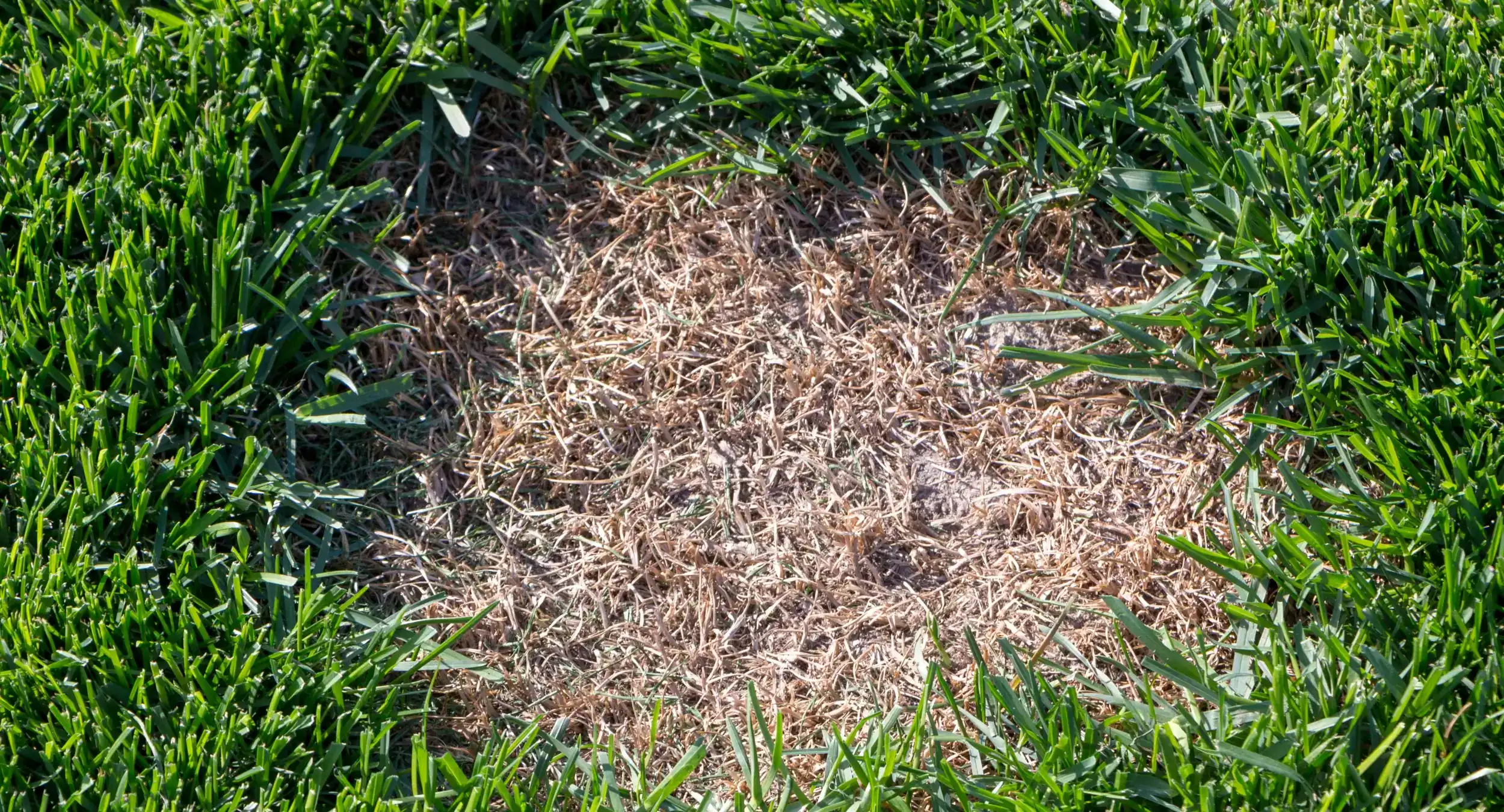
1. Yellow, Brown, or White Patches
The first sign most homeowners notice? Discolored patches. These areas often appear in irregular shapes and may expand rapidly if the fungus isn’t treated.
What to look for:
- Yellowing or browning grass blades
- Spots that look bleached or white
- Expanding dead zones surrounded by healthy turf
While not every yellow patch is a fungus, sudden discoloration—especially after rain—is a red flag.
2. Circular or Ring-Shaped Patterns
Fungi often grow in circular patterns due to the way spores spread outward from a central point. These rings are sometimes referred to as “fairy rings.”
Common signs:
- Rings of darker green grass surrounded by brown
- Patches that form near tree stumps or old roots
- Multiple circles merging into large, infected zones
Some fungi release chemicals that actually stimulate grass growth at the edges, creating dark green borders around dying centers.
3. Gray, White, or Pink Webbing on Grass Blades
In the early morning, especially during humid periods, you might spot fuzzy or slimy threads covering your lawn. This is a sure sign of active fungal growth.
Keep an eye out for:
- Powdery mildew (white-gray coating on blades)
- Red thread (pinkish fibers across turf)
- Dollar spot (bleached lesions with webbing)
These symptoms often fade in full sun, but the damage remains—so don’t assume it’s just morning dew.
4. Mushrooms or Fungal Fruiting Bodies
The presence of mushrooms or mold in your lawn often signals a more serious underground fungal issue.
What they indicate:
- Overly wet or compacted soil
- Decaying organic material under the surface
- An ideal environment for turf fungi to thrive
Mushrooms themselves don’t usually harm grass—but they signal trouble brewing below the surface.
5. Thinning Grass That Fails to Recover
If your lawn’s looking thin, tired, or slow to bounce back after mowing, it could be suffering from root rot or fungal invasion.
Symptoms include:
- Grass that pulls up easily
- Spongy ground even without rain
- Blades that don’t respond to watering or fertilizing
Fungal root diseases disrupt the flow of nutrients, slowly starving the grass and making your lawn look lifeless.
6. Rapid Spread After Rain or Overwatering
Fungi love moisture—and just a few warm, rainy days can turn a small infection into a full-blown lawn disaster.
Watch your yard for:
- Sudden spreading of discolored areas
- Patches getting larger overnight
- Visible mold or slime after storms
If your yard doesn’t drain well or gets too much irrigation, you could be unintentionally fueling the problem.
What Causes Lawn Fungus to Spread?
A combination of factors can make your yard more susceptible to turf diseases:
- High humidity and frequent rain
- Poor soil drainage
- Excess thatch buildup
- Overwatering or improper mowing
- Low-quality or compacted soil
Fungus spores are already in the environment, but they only become active when the conditions are just right.
How to Stop Lawn Fungus from Spreading
Here’s how to get it under control fast:
- Adjust watering habits – Water early in the morning and only as needed.
- Improve drainage – Aerate compacted soil and dethatch to boost airflow.
- Use fungicides – Apply the right type of treatment for your specific fungus. Always follow label instructions.
- Don’t mow infected areas – Or if you must, clean your mower blades afterward to prevent spreading.
- Fertilize carefully – Avoid overfeeding during peak fungus season. Choose balanced blends with low nitrogen during stress periods.
Need help identifying or treating turf fungus? Contact Evergreen Pest Control for expert lawn care support and disease management.
When to Call a Professional
Some lawn fungi are incredibly persistent, and DIY fixes won’t always work. If:
- The infection keeps returning
- Fungus covers more than 25% of your lawn
- You’re not sure what disease you’re dealing with
Then it’s time to bring in the experts. At Evergreen Pest Control, we offer customized lawn treatment programs to diagnose and eliminate turf fungi with lasting results.
Final Thoughts
Spotting lawn fungus early gives you the best chance to protect your turf and prevent long-term damage. Don’t wait until half your yard turns brown—stay alert for subtle signs and treat issues promptly.
Want a lush, fungus-free lawn this season? Reach out to Evergreen Pest Control today for a full lawn health inspection and treatment plan tailored to your yard.