
Why Are You Seeing More Cockroaches? Blame the Heat & Humidity
So, you’ve been seeing more of those unwelcome guests lately? It’s probably not your imagination. With the rising temperatures and sticky humidity, our homes can become a little too inviting for cockroaches. They’re drawn to warmth and moisture, and unfortunately, our houses often provide just that, along with plenty of hidden spots and potential food sources. Let’s talk about why this is happening and what we can do about it.
Key Takeaways
- Cockroaches are strongly attracted to heat and humidity, making warmer, wetter months prime time for increased activity and potential infestations.
- Moisture is a major draw, so leaky pipes, damp areas under sinks, and even condensation around appliances can create attractive hiding spots.
- Keeping kitchens clean, sealing food, and managing trash are vital for cockroach control, as food crumbs and waste are primary attractants.
- Cockroaches can hide in many places, including behind appliances, under furniture, within plumbing fixtures, and even in decor items and electronics.
- Effective cockroach control involves sealing entry points, maintaining cleanliness, and using targeted methods like baits and powders, with professional help needed for severe infestations.
Understanding Cockroach Attraction Factors
So, why are these unwelcome guests suddenly making more appearances in your home? It often comes down to a few key things that cockroaches simply can’t resist. Think of it as their perfect storm of comfort and sustenance.
The Role of Heat and Humidity
Cockroaches, especially during warmer months, really thrive when things get hot and sticky. They don’t sweat like we do, so they can’t regulate their body temperature as easily. This means they actively seek out environments that are warm and humid. Places like bathrooms, kitchens, and basements can become prime real estate for them if the conditions are just right. High humidity levels are a major draw, providing them with the moisture they need to survive and reproduce. Even small amounts of condensation can be enough to keep them happy.
Moisture as a Primary Attractant
Beyond just general humidity, standing water or damp areas are like a beacon for cockroaches. They need water to live, just like us. This is why leaky pipes under sinks, damp sponges left out, or even condensation around appliances can be a big problem. They’ll often hide in these damp spots during the day and come out when it’s quiet and dark.
- Leaky faucets
- Condensation on pipes
- Damp towels or sponges
- Pet water bowls left full
Food Sources and Debris
Of course, no one wants to think about it, but cockroaches are scavengers. They’re not picky eaters. Crumbs left on countertops, spills that aren’t wiped up, grease buildup around the stove, or even pet food left out overnight can all be a feast for them. They’re attracted to the smell of food, and any accessible food source is an invitation.
Even tiny amounts of food debris, like a few stray crumbs or a sticky residue on a counter, can be enough to attract a cockroach. They have a keen sense of smell and will investigate any potential meal.
They also don’t mind decaying organic matter, which means overflowing trash cans or compost bins can be a major attraction point if they aren’t managed properly.
Common Hiding Spots in Your Home
Cockroaches are sneaky little things, and they’re really good at finding cozy spots to hang out in your home. It’s not just about where they eat; it’s about where they feel safe and can stay hidden.
Kitchen Appliances and Countertops
Your kitchen is basically a five-star resort for roaches. Think about it: warm appliances, crumbs everywhere, and maybe a little bit of moisture. They love squeezing into tight spaces.
- Under and behind the toaster: Those little crumbs that fall out? Perfect.
- Inside the microwave or coffee maker: Especially if they aren’t wiped down regularly.
- Around the dishwasher: The warmth and any residual water are a big draw.
- On countertops: Even a tiny smear of jam or a forgotten sugar crystal is a feast.
They’re not picky eaters, and any bit of food or moisture is an invitation. It’s why keeping these areas spotless is so important.
Under and Behind Furniture
Don’t forget about the living room or bedrooms. Furniture offers a lot of nooks and crannies. They like the soft materials and the dark, undisturbed spaces.
- Behind bookshelves: Books can hide antennas peeking out.
- Under sofas and chairs: Especially if they have skirts or are close to the floor.
- Inside electronics: TVs, computers, and other gadgets can generate heat and have small openings.
Pipes and Plumbing Fixtures
Water is a huge attractant, so anywhere with pipes is prime real estate.
- Under sinks: This is a classic spot, especially if there’s a slow leak.
- Around toilets and bathtubs: Even small amounts of moisture are enough.
- Where pipes enter walls: These gaps can be damp and provide easy access.
These areas are often dark and humid, which is basically a cockroach spa. They can even climb up into open faucets if they’re desperate enough for water.
Cockroach Control Strategies for Kitchens
Your kitchen is a prime spot for cockroaches, and honestly, it’s not hard to see why. It’s where the food is, and often, where there’s a bit of moisture lingering. Tackling them here means being really on top of a few key things.
Maintaining Sink and Dishwasher Cleanliness
Dirty dishes piled up in the sink are like a five-star buffet for roaches. Even worse are those little bits of food stuck to plates or in the dishwasher drain. You’ve got to get those dishes washed promptly, or at least rinsed and put straight into the dishwasher. Don’t forget to clean out the dishwasher filter regularly, too. That gunk can be a food source. Also, keep an eye on any damp sponges or dishcloths left out; they can provide much-needed water.
Eliminating Food Crumbs and Spills
This is a big one. Every little crumb, every sticky spill on the counter or floor, is an invitation. After you cook or eat, give your countertops a good wipe-down. Sweep or vacuum the floors, especially under cabinets and appliances where crumbs love to gather. Don’t leave pet food out overnight if you can help it, as that’s another easy meal for them. A clean kitchen is a less attractive kitchen for these pests.
Securing Food and Pet Food Storage
Anything that isn’t sealed is fair game. Store your food, including things like cereal, pasta, and sugar, in airtight containers. Glass, metal, or sturdy plastic containers work best. This also applies to pet food. Leaving bags of kibble open or accessible is a mistake. Roaches can chew through cardboard and thin plastic packaging pretty easily. Keeping everything sealed up tight helps prevent them from getting to their next meal and makes your kitchen less hospitable. It’s a simple step that makes a real difference in keeping them out of your food storage areas.
Cockroaches are attracted to more than just obvious food scraps. Residues from soaps and grooming products, along with skin and hair sheddings, can also sustain them, especially in kitchens and bathrooms where moisture is present.
Addressing Cockroaches in Living Spaces
Cockroaches aren’t just a kitchen problem; they can set up shop in your living spaces too. Think about it: these pests are drawn to warmth, moisture, and places to hide. Your living room, bedrooms, and even hallways can offer these comforts if you’re not careful.
Inspecting New Furnishings
Bringing home a new couch or bookshelf? That’s great, but it could also be a surprise delivery service for cockroaches. They love to hide in the nooks and crannies of furniture, especially if it’s been stored in a warehouse or on a truck for a while. Before you let that new piece settle in, give it a good once-over. Check seams, undersides, and any pre-drilled holes. You might even find egg cases, which look like little brown or yellowish capsules. Getting rid of these before they hatch is key.
Sealing Gaps in Baseboards and Trim
Those decorative bits around your floors and walls, like baseboards and trim, are like tiny highways for roaches. They love to slip into the narrow gaps where these pieces meet the wall or floor. It’s the tight, dark spaces that really attract them. If you notice any cracks or openings, especially where woodwork meets the wall, seal them up. This makes it much harder for them to travel and find shelter.
Decluttering Decor and Electronics Areas
Think about all the places things collect in your living areas: behind the TV, under the sofa, on bookshelves. Cockroaches can hide behind books, inside electronics, and even under decorative items. They like the warmth from electronics and the potential for crumbs or dust. Regularly tidying up these spots, dusting shelves, and making sure electronics aren’t directly against walls can make a big difference. It removes their hiding spots and potential food sources.
Preventing Cockroach Entry and Infestation
Preventing cockroaches from making your home their own is all about making your place less appealing to them. Think of it like this: you want to remove all the things that make a hotel great for a cockroach. That means cutting off their food, water, and places to hide.
Sealing Cracks and Entry Points
First off, you gotta block their ways in. Cockroaches are tiny, and they can squeeze through some seriously small openings. Check around your doors and windows for any gaps. Even little cracks in the foundation or where pipes and wires come into the house can be an open invitation. Use caulk or sealant to fill these up. It might seem like a small thing, but it makes a big difference in stopping them before they even get inside.
Proper Waste Management
Trash is like a buffet for roaches. Make sure your garbage cans have lids that fit snugly. Don’t let trash pile up, and take it out regularly, especially if it’s food waste. Clean out your trash cans sometimes too, because leftover bits can still attract them. If you have outdoor bins, try to keep them a little ways from the house.
Regular Cleaning and Maintenance
This is a big one. Keeping things clean really throws a wrench in their plans. You want to get rid of crumbs and spills right away, especially in the kitchen. Wash dishes promptly, wipe down counters, and sweep or vacuum floors often. Don’t forget about those spots that don’t get cleaned every day, like under appliances or behind furniture. A good deep clean every now and then helps a lot.
Here’s a quick rundown of what to focus on:
- Wipe down kitchen counters and tables after every meal.
- Sweep or vacuum floors daily, especially in the kitchen and dining areas.
- Don’t leave dirty dishes in the sink overnight.
- Store all food, including pet food, in sealed containers.
- Empty trash cans regularly and keep them covered.
Making your home less hospitable is the best defense. By being diligent about cleaning and sealing up entry points, you make it much harder for cockroaches to find what they need to survive and multiply.
Effective Cockroach Control Methods
When you’ve spotted a cockroach or two, or maybe more than you’re comfortable with, it’s time to take action. There are several ways to tackle these unwelcome guests, and often, a combination works best. It’s not just about killing the ones you see; it’s about making your home less appealing and harder for them to survive.
Using Boric Acid and Diatomaceous Earth
These powders are pretty effective if you use them right. They work by dehydrating the roaches when they come into contact with them. You want to apply a thin layer in places where roaches tend to hang out – think under appliances, behind cabinets, and along baseboards. Just be sure to keep them away from kids and pets, as they can be harmful if ingested.
Strategic Placement of Traps and Baits
Traps and baits are good for both catching roaches and getting a sense of where the problem is worst. Glue traps are simple; they just catch whatever walks onto them. Baits are a bit more sophisticated. Roaches eat the bait, which contains a slow-acting poison, and then they often go back to their hiding spots to die, which can help reduce the population in those hidden areas. Placing these along walls, under sinks, and near potential entry points is a good strategy.
Natural Repellents for Deterrence
While not as potent as chemical treatments, some natural options can help deter roaches. Things like bay leaves, when placed in cabinets or drawers, are said to make the area less attractive to them. It’s more of a preventative measure or for very minor issues, but every little bit helps in making your home less hospitable to pests. For persistent problems, you might need to look into professional services, like those offered by Evergreen of Ft. Lauderdale, especially if you live in a humid climate like South Florida.
It’s important to remember that consistency is key. Regularly cleaning, sealing entry points, and using control methods diligently will make a big difference over time. Don’t get discouraged if you don’t see results immediately; it often takes a sustained effort to get a cockroach problem under control.
When to Seek Professional Cockroach Control
Sometimes, no matter how much you clean or how many traps you set, those unwelcome guests just keep coming back. It can be tough to know when it’s time to call in the professionals. If you’re seeing cockroaches regularly, especially during the day, that’s often a sign of a larger problem. A persistent presence, even after you’ve tried DIY methods, usually means it’s time for expert help.
Identifying Large-Scale Infestations
How do you know if it’s gone beyond a minor nuisance? Look for these indicators:
- Frequent Sightings: Seeing more than one or two cockroaches, especially in different areas of your home, suggests a bigger issue.
- Daytime Activity: Cockroaches are mostly nocturnal. If you’re spotting them out and about when the lights are on, their population might be too large to hide effectively.
- Unpleasant Odors: A strong, musty smell can sometimes indicate a significant cockroach presence. This is a clear sign that they’ve really made themselves at home. A musty smell in your home could signal a cockroach infestation.
- Evidence of Droppings: Small, dark specks that look like pepper or coffee grounds are cockroach droppings. Finding these in multiple locations, like in drawers, cabinets, or behind appliances, points to an infestation.
- Egg Cases: You might find small, brown, capsule-like objects, which are cockroach egg cases. If you see these, it means more roaches are on the way.
Understanding Professional Treatment Options
When you decide to bring in the pros, they have a range of methods they can use. It’s not just about spraying everywhere; they often use targeted approaches.
- Targeted Treatments: Professionals can identify the specific species of cockroach and their preferred hiding spots. They’ll use baits, gels, and dusts that are placed precisely where the roaches travel and feed, which is often more effective than broad applications.
- Integrated Pest Management (IPM): Many companies use IPM, which combines various strategies. This includes sanitation recommendations, exclusion methods (like sealing entry points), and the careful use of pesticides only when necessary. It’s a more sustainable approach.
- Follow-Up Services: Good pest control companies will often schedule follow-up visits to check on the situation and reapply treatments if needed. This ensures the problem is fully resolved and not just temporarily managed. It’s important to find a company that is responsive and willing to follow up if the issue persists.
Cockroach Biology and Behavior
Understanding how cockroaches live and what makes them tick is pretty important if you want to keep them out of your house. They’re not exactly the most complex creatures, but they have some interesting habits that explain why they’re so good at surviving.
Life Cycle Influenced by Environment
Cockroaches go through a few stages: egg, nymph, and adult. The environment plays a big role in how fast they move through these stages. Things like temperature and humidity can really speed up or slow down their development. For example, warmer, humid conditions are usually better for them, helping them grow and reproduce more quickly. A female cockroach can lay multiple egg cases, and each case holds several eggs. If conditions are just right, these eggs hatch, and the young nymphs grow into adults pretty fast. This is why a small problem can turn into a big one before you know it.
- Egg Stage: Females lay eggs in protective cases, often hidden away.
- Nymph Stage: Young roaches hatch and look like smaller versions of adults, shedding their skin as they grow.
- Adult Stage: Once mature, they can reproduce, starting the cycle all over again.
Nocturnal Activity and Hiding Habits
Most cockroaches are nocturnal, meaning they prefer to be active when it’s dark. This is why you often see them scatter when you turn on the lights. They’re masters at finding small, dark, and undisturbed places to hide during the day. Think about cracks in walls, behind appliances, inside cabinets, or even within clutter. They’re not really social in the way we think of it; they gather in these spots because the conditions are good for them – usually warm, moist, and with access to food or water. It’s more about convenience than companionship.
Cockroaches are survivors. They’ve been around for millions of years, and part of that is their ability to find shelter and resources easily. They don’t need much to get by, which makes them tough to get rid of once they decide your home is a good place to be.
Here’s a quick look at how some common species differ:
| Species | Typical Size (inches) | Preferred Habitat | Key Behavior Trait |
|---|---|---|---|
| German Cockroach | 0.5 – 0.6 | Indoors (kitchens, baths) | Fast reproduction |
| American Cockroach | 1.5 – 2.0 | Sewers, basements, damp | Large, fast, can fly |
| Brown-Banded | 0.5 – 0.6 | Dry, warm areas, furniture | Prefers higher elevations |
| Oriental Cockroach | 0.75 – 1.0 | Damp, cool areas, drains | Slow-moving, loves moisture |
Health Risks Associated with Cockroaches
It’s easy to think of cockroaches as just a creepy-crawly nuisance, but they’re actually a significant health concern for your household. These pests aren’t just gross to look at; they can actively make you sick and worsen existing health problems. Cockroaches are known carriers of various pathogens and can trigger serious allergic reactions.
Spread of Bacteria and Contamination
Cockroaches are notorious for their ability to pick up and spread bacteria. They spend their time in some pretty unsanitary places, like garbage cans, sewers, and drains. As they move through your home, they leave behind germs from these dirty environments. This contamination can happen through their droppings, saliva, or even just by crawling over surfaces. This means your kitchen countertops, food preparation areas, and dishes can become contaminated with bacteria like Salmonella and E. coli, which can lead to food poisoning and other gastrointestinal illnesses. It’s a good idea to keep your kitchen surfaces spotless to minimize this risk. You can find more information on how these pests spread germs on pages about cockroach contamination.
Allergens and Asthma Triggers
Beyond spreading germs, cockroaches are also a major source of indoor allergens. Their bodies, droppings, and shed skins release proteins that can cause allergic reactions in many people. For individuals with asthma, exposure to these allergens can be particularly problematic. Cockroach allergens are a common trigger for asthma attacks, especially in children living in urban areas. Symptoms of a cockroach allergy can include sneezing, itchy eyes, skin rashes, and respiratory issues. Keeping your home clean and free of cockroach presence is important for managing these sensitivities.
Here’s a quick look at how cockroaches can impact your health:
- Disease Transmission: They carry bacteria like Salmonella and E. coli.
- Allergic Reactions: Their shed skins and droppings can cause rashes and respiratory problems.
- Asthma Aggravation: Cockroach allergens are a known trigger for asthma symptoms.
It’s important to remember that even if you don’t see them, cockroaches can still be present and posing a health risk. Their ability to hide in small spaces means an infestation can go unnoticed for a while, all the while contaminating your living areas.
Mistaken Identity: Cockroaches vs. Other Pests
Sometimes, what you think is a cockroach might be something else, or maybe it’s a cockroach you just haven’t met before. It’s easy to get them mixed up, especially since a lot of them look pretty similar. Let’s clear up some of the confusion.
Distinguishing Oriental and American Cockroaches
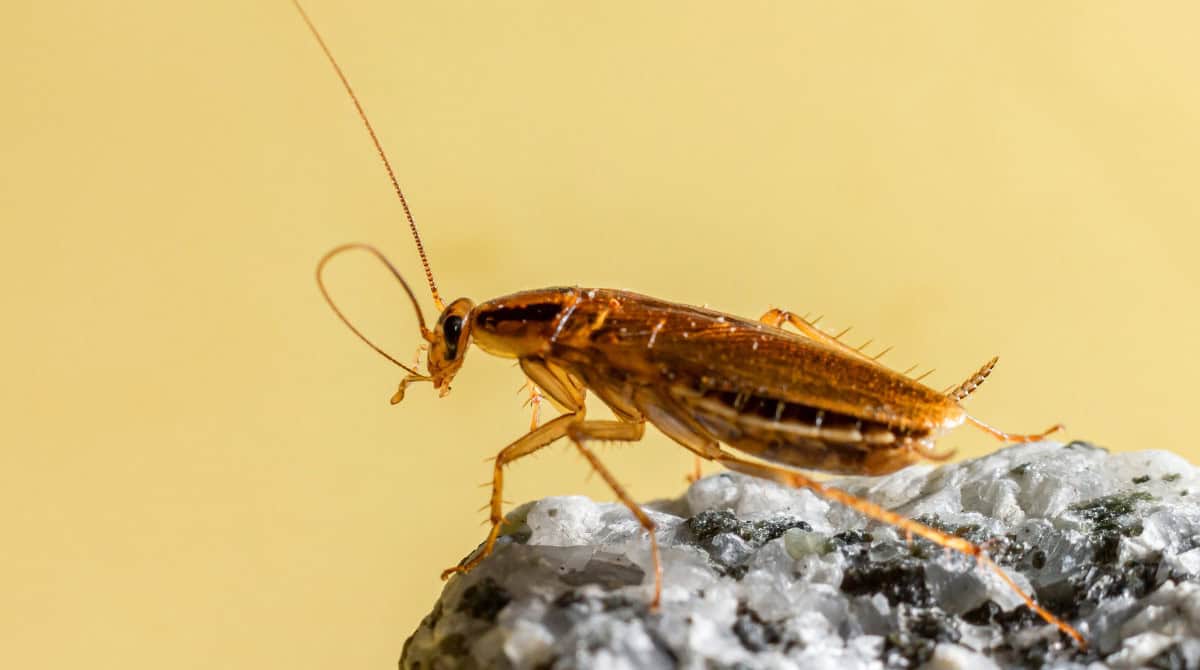
American cockroaches are the big ones, often called “palmetto bugs” or “water bugs,” especially down south. They’re usually reddish-brown and can get pretty large, like an inch and a half or more. They like it warm and humid, so basements, sewers, and damp areas are their jam. Oriental cockroaches, on the other hand, are more on the dark, shiny side, almost black. They’re also drawn to moisture but tend to stick to lower levels, like crawl spaces or drains. They can’t fly, and their wings don’t really cover their bodies like the American ones do.
- American Cockroaches: Larger, reddish-brown, can fly short distances, often called “palmetto bugs.”
- Oriental Cockroaches: Smaller than American, dark brown to black, shiny, cannot fly, prefer very damp areas.
Understanding ‘Water Bug’ and ‘Palmetto Bug’ Nicknames
These terms are where things get really confusing. “Water bug” is often used for Oriental cockroaches because they love wet places, but it can also refer to other insects that aren’t even cockroaches, like certain aquatic beetles. “Palmetto bug” is another common nickname, particularly in the southeastern U.S., and it’s most frequently applied to American cockroaches. However, people might use it for any large, dark cockroach they see. It’s basically a catch-all term for a big, creepy bug that likes to hide.
It’s important to remember that these nicknames don’t always point to a specific species. They’re more about where you find the bug or its general appearance. Knowing the actual species can help with control, but if you’re just seeing a big roach, it’s probably one of the common ones like American or Oriental.
If you’re not sure what you’re dealing with, take a peek at the size and color. Are they big and reddish-brown? Probably American. Small and dark? Maybe Oriental or German. The key is that they’re all unwelcome guests, and knowing the difference can help you figure out the best way to get rid of them.
Many pests can look alike, and it’s easy to confuse a cockroach with other common household invaders. Don’t let the wrong pest problem get you down! If you’re unsure about what’s bugging you, our experts can help identify and tackle any pest issue. Visit our website to learn more about common pests and how we can help.
So, What Now?
Look, nobody likes finding roaches, especially when the weather gets warm and sticky. We’ve talked about how heat and humidity really make things easier for them to hang out and multiply. They love those damp, warm spots, like near pipes, under appliances, or even just in the general clutter of a kitchen. The good news is, a lot of this comes down to keeping things clean and dry. So, tackle those leaky pipes, seal up cracks, and don’t leave food sitting out. It might seem like a lot, but a little effort goes a long way in making your home less of a roach hotel. If things get really bad, don’t be afraid to call in the pros. But for most of us, a good clean-up and some preventative measures should help keep those unwelcome guests out.