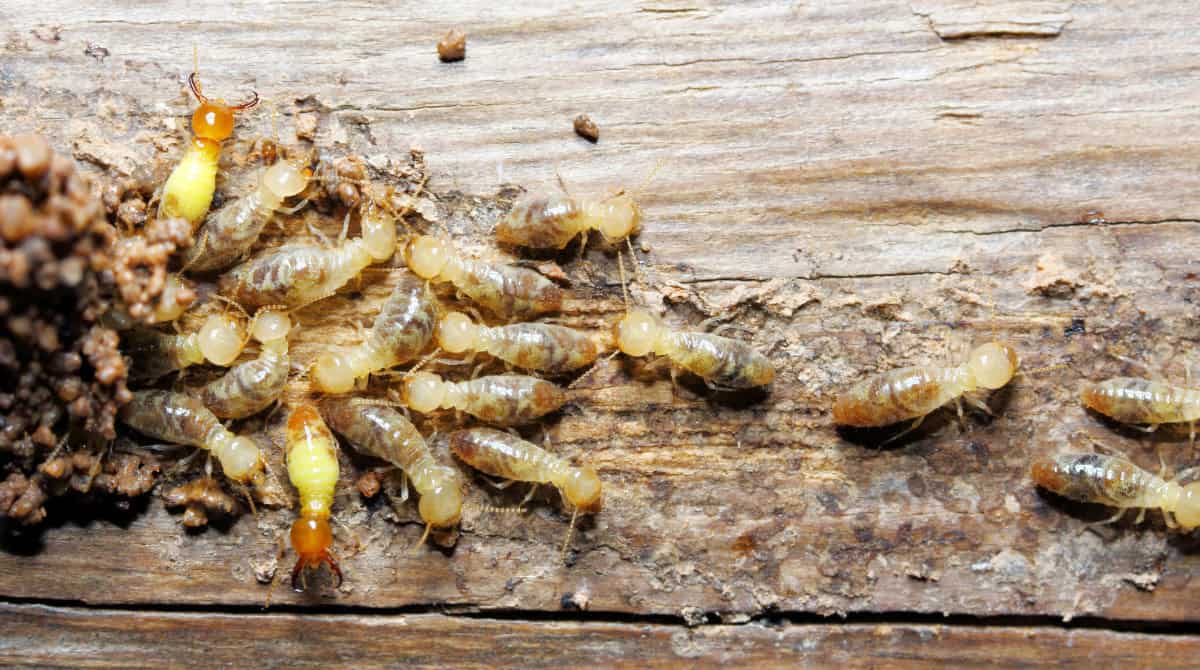

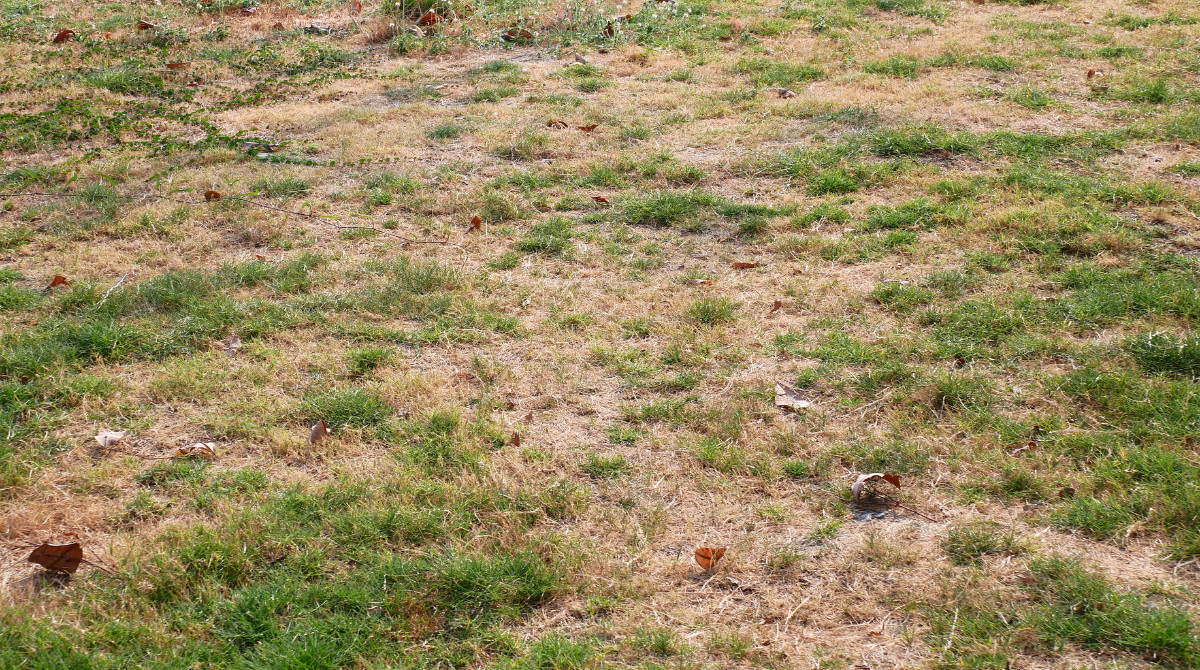
Brown Lawn in December? Don’t Blame the Weather—It Could Be Chinch Bugs
If your lawn has brown patches in December, don’t assume the weather is to blame. At Evergreen Lawn & Pest Control, we see this all the time, and chinch bugs are often the real culprit, even when temperatures cool off. These little critters can do a surprising amount of damage, and knowing how to spot them is the first step to getting your lawn back in shape. Let’s figure out what’s really going on with that brown grass.
Key Takeaways
- Chinch bugs create brown, irregular patches, especially in sunny, stressed areas. Because they thrive in Central Florida’s climate, Evergreen often uses a blended strategy of inspection, lawn strengthening, and targeted treatments to stop them fast.
- Damage from chinch bugs typically appears in late spring and summer when temperatures are high and conditions are dry.
- Chinch bugs feed by sucking juices from grass blades, weakening the plant and causing it to turn brown and die.
- Symptoms of chinch bug damage can look like drought stress, fungal diseases, or problems with soil and drainage, making accurate identification important.
- Managing chinch bugs often requires a multi-pronged approach, and some populations have developed resistance to common insecticides, so professional advice might be needed.
Identifying Chinch Bug Damage
Seeing brown patches on your lawn in December might make you think it’s just the cold weather, but don’t be so sure. Chinch bug damage often surprises homeowners, but Evergreen technicians spot their patterns instantly. Brown, dry, brittle spots in sunny areas are classic signs we see throughout Florida neighborhoods.
Recognizing Brown Patches
Chinch bug damage typically starts along driveways, sidewalks, and full-sun areas, a pattern Evergreen teams recognize during nearly every warm-season service visit. The turf pulls up easily because chinch bugs destroy it at the roots. Spotted brittle turf? Book a same-day Evergreen inspection.
Understanding Chinch Bug Activity Patterns
Chinch bugs thrive in Florida’s long stretches of heat and dryness. Evergreen often sees their activity spike from late spring through fall, with lingering damage continuing into December.
Distinguishing from Other Lawn Issues
Dry patches, disease patterns, and soil issues can look identical to chinch bug damage. That’s why Evergreen performs hands-on inspections, including blade analysis and root pull-tests, to confirm the true cause before treating. Unsure if it’s pests or drought? Evergreen will confirm it for you.
The Chinch Bug Life Cycle and Seasonality
When Chinch Bugs Are Most Active
Chinch bugs are pretty persistent little critters, and they tend to be active for a good chunk of the year, especially when things warm up. In many areas, you’ll see them out and about from early spring, around March, all the way through late fall, November. However, the real damage usually starts when the weather gets hot and dry, typically kicking off in late spring or early summer. They really don’t like the cold, so cooler nights can slow them down, but as soon as it heats up, they get going again.
Seasonal Triggers for Chinch Bug Infestations
Several things can trigger a chinch bug problem to really take off. The biggest one is definitely heat and drought. When your lawn is stressed from lack of water and intense sun, it becomes a prime target. They thrive in these conditions, and their populations can explode. Overwatering, on the other hand, doesn’t really help control them and can actually harm your lawn in other ways. It’s a bit of a tricky balance.
Impact of Weather on Chinch Bug Populations
Weather plays a huge role in how chinch bugs behave and how many of them you’ll see. Hot, dry spells are their best friends. They love the sunny, open parts of your lawn where the grass is already struggling. While they avoid really wet spots, consistent, heavy rain can sometimes wash them out or make the environment less hospitable. But don’t count on a little rain to solve your problem; they’re tough and can bounce back quickly once conditions are right again. Preparing your lawn for the changing seasons is key to resisting pests.
Here’s a quick look at how weather affects them:
- Hot & Dry: Ideal conditions for population growth and damage.
- Cool Temperatures: Slows them down, but doesn’t eliminate them.
- Wet Areas: Generally avoided by chinch bugs.
- Heavy Rain: Can temporarily reduce numbers but isn’t a long-term solution.
Environmental Factors Favoring Chinch Bugs
So, why do these tiny pests seem to love certain spots in your yard more than others? It often comes down to a few key environmental conditions that make your lawn a prime buffet for chinch bugs. They aren’t just randomly showing up; they’re actively seeking out the conditions that help them thrive.
The Role of Sun and Heat
Sun-baked Florida turf is prime chinch-bug territory. During Evergreen field checks, we consistently see infestations begin in the hottest, driest micro-zones of a yard, especially near concrete heat sources. You’ll often find the first signs of their damage in the sunniest, most exposed parts of your lawn. Think about those areas right along the driveway, the edge of a sidewalk, or any open space that bakes under the afternoon sun. These conditions create the perfect environment for chinch bugs to multiply and feed. They’re less active when it’s cool, and extreme heat, while they love it, can also be a double-edged sword if it leads to prolonged drought that kills off their food source too quickly. But generally, a hot, dry spell is their invitation to party.
Why Wet Areas Deter Chinch Bugs
On the flip side, chinch bugs really don’t like soggy conditions. If you’ve got areas of your lawn that tend to stay wet or are constantly overwatered, you’ll likely find fewer chinch bugs there. They prefer drier soil and grass. It’s a bit counterintuitive, because while they like dry conditions, overwatering your lawn to try and combat them can actually cause more harm than good. You might end up killing your grass with too much water before the chinch bugs even do significant damage. It’s a tricky balance, but generally, avoid making your lawn a swamp.
Shade as a Natural Deterrent
Just as they’re drawn to the sun, chinch bugs tend to avoid shady spots. If your lawn has areas that are consistently shaded by trees or buildings, you’re less likely to see a chinch bug infestation there. The cooler, more humid conditions found in shade don’t suit them as well. So, if you notice brown patches appearing, but the shady parts of your yard are still green and healthy, it’s a pretty good clue that chinch bugs might be the culprits in the sunny zones. This is why understanding where they are and aren’t active can help with identifying chinch bug damage.
Here’s a quick rundown of their preferences:
- Sunlight: They thrive in direct, intense sunlight.
- Heat: Warm temperatures are ideal for their activity and reproduction.
- Dryness: They prefer drier soil and grass blades.
- Shade: They generally avoid areas with consistent shade.
- Moisture: Excessively wet or waterlogged areas are not their preferred habitat.
It’s important to remember that while chinch bugs prefer dry conditions, your lawn still needs adequate water to stay healthy and resilient. The key is proper watering techniques that avoid creating overly wet or waterlogged soil, which can lead to other problems like fungal diseases, while still providing enough moisture for the grass to withstand stress.
Chinch Bug Behavior and Feeding Habits
How Chinch Bugs Damage Grass
So, how exactly do these tiny pests wreak havoc on your lawn? It all comes down to their feeding habits. Chinch bugs pierce and drain the grass blades, and that toxin they inject is exactly what Evergreen techs identify when we examine damaged St. Augustine turf. The result is fast-spreading decline if untreated.
Targeting Sunny and Dry Areas
Chinch bugs aren’t exactly fans of the shade or damp spots. They really thrive in the heat and dryness that often comes with full sun. You’ll typically see the first signs of their damage in the sunniest, most exposed parts of your lawn. Think about those areas along sidewalks, driveways, or open, south-facing sections of your yard. These spots heat up quickly and tend to dry out faster, creating the perfect environment for these bugs to set up shop and start feeding. They’re not looking for a swamp; they want a sun-baked buffet.
Feeding on St. Augustine Grass
While chinch bugs can bother a variety of turfgrasses, they have a particular fondness for St. Augustine grass. This is especially true for certain varieties of St. Augustine. If you have this type of grass, you’ll want to be extra vigilant. The damage they inflict on St. Augustine can be quite severe, leading to those tell-tale brown patches that can be so frustrating for homeowners. It’s important to know your grass type when trying to diagnose lawn problems, as some pests target specific species. Learning about common lawn pests can help you identify potential threats early on.
Common Lawn Problems That Mimic Chinch Bug Damage
It’s easy to jump to conclusions when your lawn starts looking less than stellar, especially when those brown patches appear. But before you point the finger solely at chinch bugs, it’s worth considering a few other common culprits. Sometimes, what looks like a pest problem is actually something else entirely.
Drought Stress Symptoms
When the weather gets hot and dry, grass can really suffer. It’s not always bugs causing the issue; sometimes, it’s just plain thirst. Lawns under drought stress often show random, irregular brown patches. You might notice that areas closer to sprinklers stay green, while those further away turn brown. Another good test is to tug on the grass in a brown spot. If it pulls up easily, like a carpet, it’s likely drought-related because the roots have dried out and aren’t holding on. You can also try pushing a screwdriver into the soil; it should slide easily into moist soil but struggle in dry, compacted areas. Grass might also look a bit grayish or darker than usual before it starts to brown. It’s a sign that the grass is trying to conserve water.
Fungal Diseases Like Brown Patch
Fungal diseases, especially ‘Brown Patch,’ can look a lot like chinch bug damage. These often pop up when conditions are warm and humid, sometimes exacerbated by overwatering. You’ll see small brown spots that can quickly spread and enlarge. If you suspect a fungus, it’s best to back off on watering, maybe only once a week, and bag your grass clippings when you mow. The goal is to keep the lawn as dry as possible to prevent the fungus from spreading further. Fungicides are often needed to get rid of true brown patch.
Compacted Soil and Poor Drainage
Sometimes, the problem isn’t with what’s on the grass, but what’s under it. Compacted soil or areas with poor drainage can lead to dead grass, even without any pests. When water can’t drain properly, it sits around the grass roots, eventually causing them to rot. This is especially true for new sod that might have been laid over un-aerated soil. Lawns that get a lot of foot traffic are also prone to compaction. You might see dead grass appear as dry, warm weather sets in because the roots just can’t get what they need. Pet urine can also cause brown spots, though these might recover with proper watering and fertilizer. It’s important to check if the soil itself is the issue, as this can affect how well your grass can establish roots.
It’s easy to get frustrated with lawn problems, but taking a moment to consider all the possibilities can save you a lot of time and money. What looks like a pest infestation might just be a sign of underlying soil issues or a need for a change in watering habits. Accurate diagnosis is key to effective treatment.
Here’s a quick rundown of what to look for:
- Drought Stress: Random brown patches, grass pulls up easily, soil is hard to penetrate.
- Fungal Disease: Small spots that spread quickly, often in humid weather.
- Compacted Soil/Poor Drainage: Dead patches, especially in low-lying areas or high-traffic zones, roots may rot.
- Improper Mowing: Using dull blades or cutting grass too short can stress the turf, leading to poor color and density. Always keep your mower blades sharp and avoid removing more than one-third of the grass blade at a time. Different grass types have different ideal heights, so it’s good to know what you’re working with.
- Thatch Buildup: A thick layer of dead organic matter can block water and nutrients. Regular aeration helps manage this. If you’re dealing with a significant thatch problem, you might need to consider professional lawn care services.
Effective Chinch Bug Management Strategies
Integrated Pest Management for Chinch Bugs
Dealing with chinch bugs can feel like a real headache, especially when you see those brown patches popping up. The good news is, you don’t have to just live with them. Evergreen follows proven Integrated Pest Management (IPM), combining monitoring, lawn-health improvements, and safe, targeted applications. This approach allows us to manage chinch bugs effectively without overusing chemicals.
Here are some key parts of an IPM strategy for chinch bugs:
- Monitoring: Keep an eye on your lawn. Regularly check those sunny, dry spots where chinch bugs love to hang out. A simple way to do this is to push a section of grass aside and look closely at the base of the blades and the soil. You might even use a magnifying glass if you have one.
- Cultural Controls: This involves making your lawn less inviting to pests. Things like proper mowing height (don’t cut too short!), watering correctly (deeply and less often, avoiding soggy soil), and aerating compacted areas can make a big difference.
- Biological Controls: Sometimes, nature has its own pest controllers. Encouraging beneficial insects that prey on chinch bugs can help. However, this is often more of a long-term strategy and might not solve an immediate, severe infestation.
- Chemical Controls: This is where pesticides come in, but they should be a last resort and used wisely. It’s important to choose products specifically labeled for chinch bugs and to follow the instructions exactly. Applying them at the right time of day and when the bugs are most vulnerable is key.
Challenges with Insecticide Resistance
Florida chinch bug populations have shown increasing resistance to common store-bought insecticides. Evergreen uses rotation-based treatments and advanced formulations to overcome resistance and protect your turf safely.
Because of this, it’s really important to rotate the types of insecticides you use if you need to apply them more than once. Also, always check the product label to see what the active ingredients are. If you’ve tried a product and it didn’t seem to work, it’s possible the local chinch bug population has developed resistance to that specific chemical. This is where knowing what’s in the bottle becomes super important. Avoid ineffective DIY sprays, let Evergreen handle resistant pests.
Seeking Professional Lawn Care Advice
Sometimes, you just can’t figure out what’s going on with your lawn, or the problem is bigger than you can handle on your own. That’s when it’s a really good idea to call in the pros. Lawn care professionals have the experience and the tools to properly identify what’s ailing your grass. They can tell for sure if it’s chinch bugs, or maybe something else entirely, like a fungus or a different type of insect.
They also have access to a wider range of treatments and can develop a plan tailored to your specific lawn and the pests in your area. Plus, they’re usually up-to-date on the latest pest control methods and any resistance issues that might be popping up. Don’t hesitate to reach out to them; it can save you a lot of time, money, and frustration in the long run. They can help you get your lawn back on track.
Preventing Chinch Bug Infestations
Nobody wants a brown, patchy lawn, especially when it’s not even winter. Chinch bugs can be a real headache, but thankfully, there are ways to keep them from taking over your yard. It really comes down to giving your grass the best chance to thrive, making it less appealing to these little pests.
Maintaining a Healthy Lawn
A strong, healthy lawn is your first line of defense. Think of it like a healthy body – it’s better at fighting off invaders. This means keeping your grass at the right height when you mow. Cutting it too short stresses the grass, making it vulnerable. Also, don’t let thatch build up too much. Thatch is that layer of dead grass and organic matter on top of the soil. A little bit is okay, but too much can create a cozy home for chinch bugs and also prevent water and nutrients from reaching the roots.
- Mow at the correct height: Generally, for most common lawn grasses, this means keeping it around 3-4 inches tall. This helps shade the soil and keeps the grass roots cooler.
- Manage thatch: Aim to keep thatch layers under half an inch thick. Aerating your lawn can help reduce thatch buildup.
- Fertilize properly: Use a balanced fertilizer according to your grass type’s needs. Avoid over-fertilizing, especially with high-nitrogen fertilizers in the late summer, as this can encourage new, tender growth that chinch bugs love.
Proper Watering Techniques
Watering is tricky. You need to give your lawn enough water to stay healthy, but not so much that you create problems. Chinch bugs actually dislike wet conditions, but overwatering can seriously harm your grass, sometimes even more than the bugs themselves. The key is consistent, deep watering rather than frequent, shallow sprinklers.
- Water deeply and less often: Aim to water long enough for the moisture to penetrate about 6 inches into the soil. This encourages deeper root growth.
- Water in the morning: This is the best time to water. It allows the grass blades to dry off during the day, reducing the risk of fungal diseases. Watering in the evening can leave the grass wet overnight, which is a breeding ground for some problems.
- Observe your lawn: Learn to recognize the signs of thirst. Grass that’s starting to look a bit dull or bluish-gray might need a drink before it gets too stressed.
It’s a common mistake to think that more water will solve a chinch bug problem. In reality, while they don’t like soggy soil, drowning your lawn trying to get rid of them is counterproductive. Focus on watering for grass health, not pest control.
Avoiding Overwatering
This ties into proper watering, but it’s worth emphasizing. Overwatering can lead to shallow root systems, making your grass weaker and more susceptible to all sorts of issues, including chinch bugs. It can also create an environment where fungal diseases thrive. If you’re unsure about how much water your lawn needs, it’s often better to err on the side of slightly underwatering than to overdo it. You can always add more water, but it’s hard to fix waterlogged soil. For persistent issues, consider consulting with a local lawn care professional who can assess your specific situation and offer tailored advice.
Diagnosing Lawn Issues Accurately
Examining Grass Blades for Damage
Sometimes, the signs of trouble are right there on the surface, but you have to look closely. When you see those brown patches popping up, the first thing to do is get down on your hands and knees and really inspect the grass blades themselves. Are they brittle and dry? Do they look chewed or have tiny holes? Sometimes, you might even see a sticky residue. This close-up examination can give you the first clue about what’s really going on. It helps you start to rule out some possibilities and focus on others. For instance, if the blades are uniformly brown and crispy, it might point to drought stress. But if you see irregular browning or actual damage to the blades, it could be something else entirely, like insect activity.
Checking for Underground Activity
Not all lawn problems announce themselves on the surface. Sometimes, the real damage is happening beneath your feet. If the grass blades look okay but the turf is lifting easily, almost like a carpet, that’s a big red flag. It means something has likely damaged the root system, making it weak. You might also notice tunneling or disturbed soil. This kind of underground activity is often a sign of grubs or other soil-dwelling pests. To check this, try gently tugging on a section of brown grass. If it pulls up without much resistance, it’s a strong indicator that the roots aren’t holding it in place.
Consulting Lawn Care Professionals
Honestly, sometimes you just need a second pair of eyes, especially when your lawn is looking rough. Lawn care professionals have seen it all, and they have the tools and knowledge to figure out what’s ailing your grass. They can perform soil tests, identify specific pests, and tell you if it’s a disease or just a watering issue. It’s like going to the doctor when you’re sick; they can give you a proper diagnosis and a treatment plan. Don’t hesitate to call them, especially if you’ve tried a few things and nothing seems to be working. It can save you a lot of time, money, and frustration in the long run.
Figuring out why your lawn is brown can feel like a mystery novel. You’ve got to be a detective, looking for clues above and below the soil. Sometimes the simplest explanation is the right one, but other times, it’s a combination of factors that are hard to spot without some experience. Don’t get discouraged if you can’t pinpoint the problem right away; it’s a common struggle for many homeowners.
Here are some common culprits that can make your lawn look less than stellar:
- Drought Stress: Grass needs water, plain and simple. When it doesn’t get enough, especially during hot spells, it starts to turn brown and can even die off. You’ll often see this in random patches or areas that get more sun.
- Fungal Diseases: Things like ‘Brown Patch’ disease can spread quickly, especially in humid conditions. These often start as small spots that grow larger, creating circular or irregular brown areas.
- Compacted Soil: If your soil is too dense, air, water, and nutrients can’t get to the grass roots. This leads to weak grass that struggles to stay green and can result in thin, patchy areas.
- Improper Mowing: Cutting your grass too short or using dull mower blades stresses the grass, making it more susceptible to problems and giving it a generally unhealthy appearance. Always keep your blades sharp and mow at the right height for your grass type.
- Thatch Buildup: A thick layer of dead grass and organic matter can block essential resources from reaching the soil. While a little thatch is okay, too much can suffocate your lawn.
Figuring out what’s wrong with your lawn can be tricky. Is it a bug, a disease, or just thirsty? Getting the right answer helps you fix it fast. Don’t let lawn problems get you down! Visit our website to learn more about common lawn issues and how we can help you get a healthy, green yard again.
Don’t Let Pests Ruin Your Lawn’s Look
A brown lawn in December isn’t always winter damage, chinch bugs may be active longer than you expect. Evergreen Lawn & Pest Control diagnoses issues quickly and uses proven treatments to restore your grass before damage spreads.
Reclaim your lawn — schedule your Evergreen lawn assessment today.