
How long does it take termites to cause damage?
Homeowners often ask how long it really takes for termites to cause serious damage and the answer may be sooner than you think. At Evergreen Lawn & Pest Control, we’ve seen firsthand how quietly termites can compromise a home’s structure long before visible signs appear. Understanding the timeline of termite damage is the first step in protecting your investment. Schedule a professional termite inspection with Evergreen Lawn & Pest Control to catch issues early.
Key Takeaways
- Termite damage can become significant in as little as 6 months, but often takes 3 to 8 years to become structurally serious if left untreated.
- The speed of termite damage depends on colony size, termite species, and environmental conditions like food availability and moisture.
- Signs of termite infestation include hollow-sounding wood, mud tubes, discarded wings, and peeling paint, but damage often goes unnoticed for years.
- Homeowners insurance typically does not cover termite damage, making prevention and early detection vital to avoid costly repairs.
- Professional inspections and pest control services are the most effective way to detect, eliminate, and prevent termite damage, as DIY methods often fail to address the entire colony.
Understanding The Timeline Of Termite Damage
When you think about termites, you probably imagine them munching away at your house. But how fast do they actually do damage? It’s not like they can bring down your whole house in a week, but they’re definitely not taking their sweet time either. The speed at which termites can cause problems really depends on a few things. It’s a bit of a complex picture, and understanding these factors can help you spot trouble before it gets too serious.
How Long Does It Take For Termites To Inflict Significant Damage?
So, how long until those tiny pests turn into a big, expensive headache? It can vary a lot. In real-world conditions, termite damage can begin within six months and progress steadily over time. In many cases, homeowners don’t notice structural issues until years later. Evergreen Lawn & Pest Control regularly uncovers active infestations during routine inspections, often before homeowners realize anything is wrong. Book a proactive termite inspection before hidden damage becomes costly.
The Progression Of Termite Damage
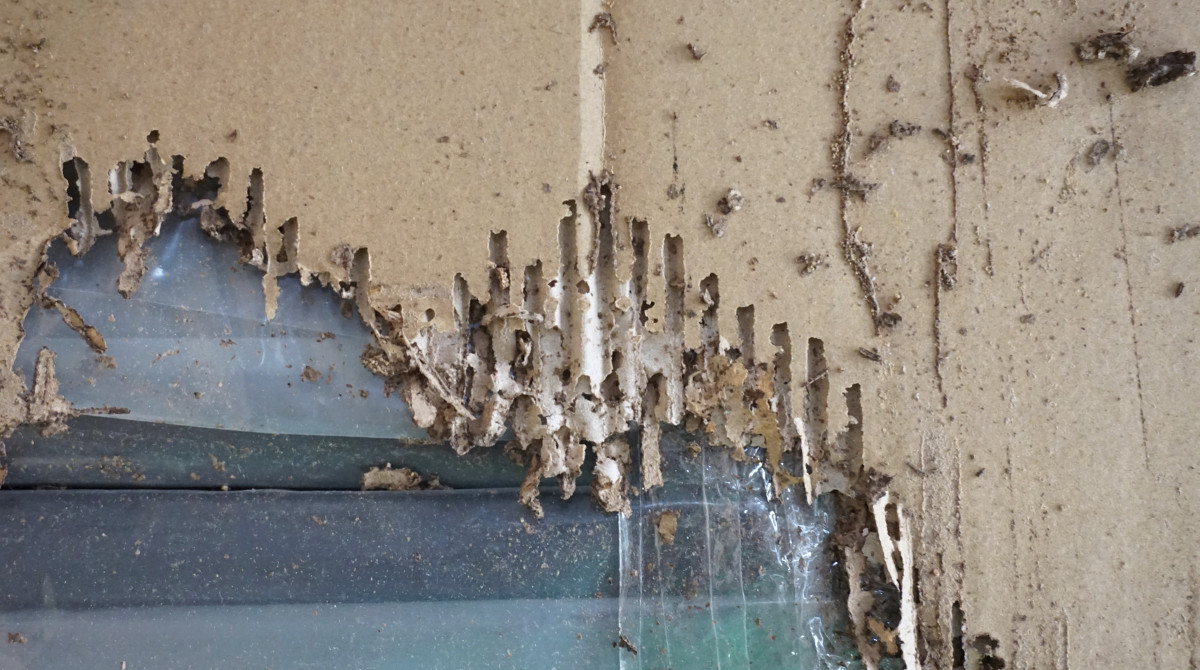
Termite damage develops gradually, beginning inside walls, beams, and floor systems. Because termites feed from the inside out, visible warning signs often appear only after meaningful damage has occurred. Evergreen’s trained technicians know where to look, long before structural integrity is compromised. Let Evergreen’s experts inspect hard-to-see areas of your home.
Factors Influencing The Speed Of Termite Damage
Several key elements influence how quickly termites can damage your home:
- Colony Size and Maturity: A larger, older colony has more workers and a greater appetite, leading to faster damage.
- Termite Species: Different types of termites have varying levels of aggression and destructive habits. Subterranean termites, for example, are often considered the most destructive.
- Environmental Conditions: Factors like moisture levels and temperature can affect termite activity and survival rates. Termites thrive in certain conditions, making them more active.
- Food Source Availability: The more accessible and abundant the wood (or cellulose-based materials) is, the faster termites can spread and cause damage. If there’s a lot of wood debris around your foundation, that’s an easy meal ticket.
It’s important to remember that termites are active 24/7. They don’t take breaks. This constant feeding, even if it seems slow at first, adds up significantly over months and years. Because their work is often hidden within walls and under floors, damage can be extensive before it’s ever noticed by homeowners.
Understanding these timelines and factors is your first step in protecting your home. Early detection is key to preventing costly repairs and maintaining the structural integrity of your home.
Factors Affecting Termite Damage Speed
So, how fast do these little wood-munchers actually wreck a house? It’s not a simple ‘one size fits all’ answer, unfortunately. Several things play a role in how quickly termites can go from a minor nuisance to a major structural headache. Think of it like this: a small ant colony versus a massive army – the impact is going to be different, right?
Colony Size and Maturity
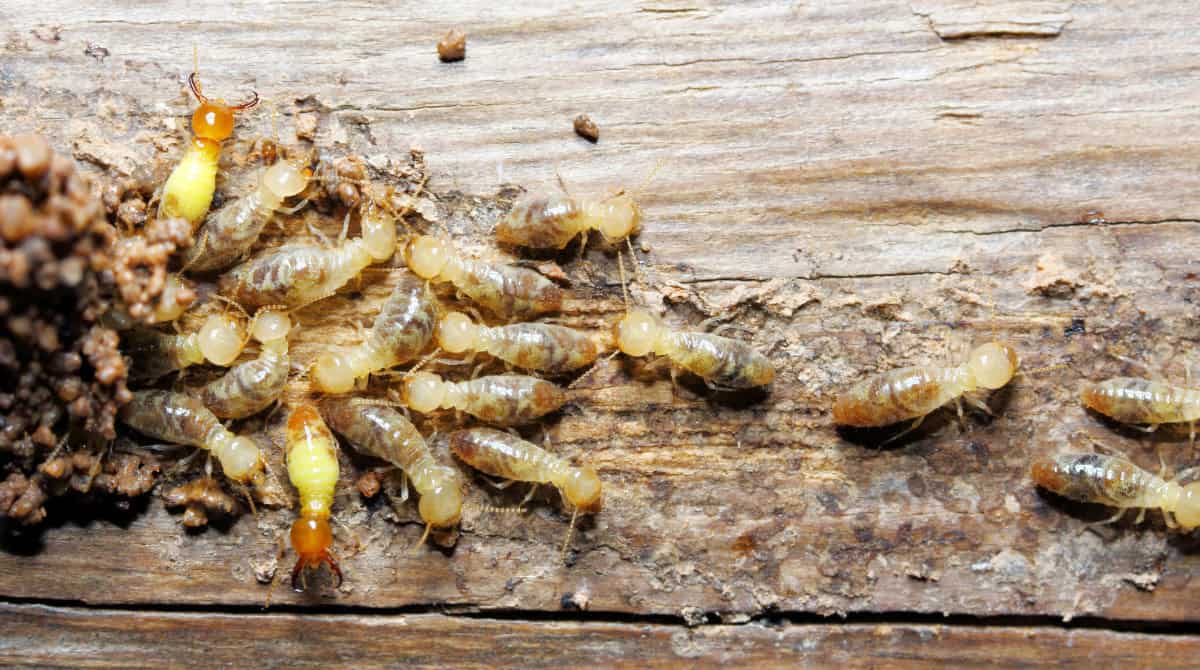
The sheer number of termites in a colony is a big deal. A young, small colony might not do much noticeable damage for a while. But a mature colony? We’re talking millions of workers, all with one goal: eat wood. A larger, well-established colony can chew through structural wood much faster than a smaller, newer one. It’s all about the workforce. A colony can take several years to fully mature, but once it does, the damage rate can really pick up. Some sources say it can take 3 to 8 years for damage to become really obvious, but that’s a wide range, isn’t it? Protect your home with Evergreen’s professional termite evaluation.
Termite Species and Aggression
Not all termites are created equal, and this is super important. Some species are just naturally more aggressive and destructive than others. For instance, Formosan subterranean termites are notorious for their massive colonies and rapid destruction. They can cause significant damage in a surprisingly short amount of time, sometimes within months if conditions are just right. Other species might be slower and more methodical in their approach.
Environmental Conditions and Food Sources
Termites need specific conditions to thrive, and these conditions directly impact how fast they work. Moisture is a huge factor, especially for subterranean termites who need it to survive. If there’s a constant water leak or high humidity in your crawlspace, they’re going to be happier and more active. Access to their preferred food source, which is cellulose found in wood and paper products, also speeds things up. If they have a readily available buffet of wooden beams, furniture, or even cardboard boxes, they’ll get to work faster. The type of wood also matters; some are more resistant than others, affecting how quickly termites can break them down. If you’re curious about different wood types, you can look into wood resistance information.
Basically, a perfect storm for termites involves a large, aggressive colony, plenty of moisture, and an easy supply of their favorite food. When all these elements align, the speed at which they cause damage can be alarming.
Here’s a quick rundown of what speeds things up:
- More termites: Bigger colony = faster eating.
- Hungrier termites: Species known for rapid destruction.
- Happy termites: Plenty of moisture and easy access to wood.
- Easy access: Wood in direct contact with soil or constant moisture sources.
The Subtle Signs Of Termite Infestation
Termites are sneaky. They don’t exactly announce their arrival with trumpets. Most of the time, by the time you actually see something that makes you go “huh?”, those little critters have likely been munching away for a while. It’s not usually a sudden disaster, but more of a slow, steady erosion of your home’s structure. The real danger isn’t how fast they work, but how quietly they do it.
Hollow-Sounding Wood
Hollow-sounding wood, mud tubes, discarded wings, or peeling paint can all signal termite activity. Evergreen Lawn & Pest Control trains homeowners to recognize early warning signs while providing professional confirmation through detailed inspections. Not sure what you’re seeing? Evergreen can take a closer look.
Mud Tubes and Frass
Subterranean termites, which are super common, build mud tubes. Think of them as little highways made of dirt, saliva, and their own droppings. They use these tubes to travel between their underground nests and your home’s wooden structures, and also to keep their environment moist. You’ll often find these tubes on foundation walls, in crawl spaces, or even on the exterior of your house. Another sign is frass, which is basically termite poop. Drywood termites, in particular, push this out of small holes in the wood. It looks a lot like tiny wood pellets or sawdust, and you might find little piles of it on surfaces below where they’re active.
Discarded Wings and Paint Damage
Sometimes, you might see swarms of winged termites, especially around windows or doors, looking for a new place to start a colony. After they swarm, they shed their wings. So, finding a pile of these discarded wings, which look like tiny, clear or dark-colored wings, can be a sign that termites have been or are currently in the area. Also, keep an eye on your paint. If you notice paint bubbling or peeling on wooden surfaces, it might not be a moisture issue. Termites can create tiny tunnels just beneath the surface, and this can cause the paint to look uneven or damaged.
It’s easy to dismiss these little clues, especially if you’re busy. But each one is a whisper from your house telling you something’s not right. Ignoring them is like ignoring a small leak that could eventually flood your basement. The sooner you notice these subtle signs, the better your chances of stopping termites before they cause major problems.
Ask Evergreen how moisture control can reduce termite risk.
When Does Termite Damage Become Significant?
It’s easy to think of termites as a slow-moving problem, but the reality is they can cause noticeable issues much faster than you might expect. While they won’t bring your house down overnight, the damage can become quite serious over time.
Early Signs of Termite Activity
Before significant structural problems arise, there are usually some early indicators that something’s not right. These are the first whispers of trouble. You might notice wood that sounds hollow when tapped, almost like a drum. Sometimes, paint on wooden surfaces can start to bubble or peel, which can be a sign that termites are working behind the scenes. For subterranean termites, you might even see trails of soil on walls where they’ve traveled. Discarded wings, often found near windows and doors after a swarm, are another classic sign that termites have moved in.
Cosmetic Versus Structural Damage
Termite damage isn’t always about immediate collapse. Initially, it often starts as cosmetic issues. Think about those bubbling paint jobs or maybe some minor buckling in your drywall or flooring. These are the early stages. However, these seemingly small problems are often a sign of much deeper trouble. The termites are actively consuming the wood that holds your house together. What starts as a cosmetic annoyance can quickly progress to compromising the structural integrity of your home. It’s the hidden, internal damage that poses the greatest risk.
The Long-Term Impact of Infestations
If left unchecked, termite infestations can lead to severe, long-term consequences. A mature termite colony can consume a surprising amount of wood, and over months and years, this relentless feeding weakens structural components like floor joists, wall studs, and support beams. In the Northeast, for instance, it can take anywhere from 3 to 8 years for significant structural damage to become apparent if the infestation isn’t treated. This can result in sagging floors, weakened ceilings, and in the worst-case scenarios, partial or complete collapse. Addressing termite issues promptly is key to preventing these costly and dangerous outcomes. Early detection is vital for protecting your home from long-term consequences.
Termites are incredibly persistent. They work 24/7, breaking down the cellulose in wood. This constant activity means that even a small colony can cause substantial damage over time, often going unnoticed until the structural impact is already significant. The speed at which they operate is influenced by factors like colony size and the specific termite species involved.
Common Termite Species And Their Destructive Potential
When we talk about termites causing damage, it’s not just one kind of bug we’re dealing with. Different species have different habits and, frankly, different appetites, which means they can impact your home in various ways and at different speeds. Understanding these guys is key to knowing what you’re up against.
Subterranean Termites
These are probably the most common culprits when it comes to serious structural damage in the U.S. They live underground in large colonies, sometimes numbering in the millions. Because they need moisture, they build mud tubes to travel from the soil to your home’s wooden structures. They’re sneaky because they keep their tunnels and droppings hidden, making them harder to spot until the damage is pretty advanced. A big colony can munch through a surprising amount of wood, sometimes up to a pound a day! Their ability to form multiple colonies near a single home can exponentially increase the rate of destruction.
Drywood Termites
Unlike their subterranean cousins, drywood termites don’t need to stay close to the ground or a constant moisture source. They can live directly in the dry wood they consume, like your home’s framing or furniture. Their colonies are generally smaller, which means they tend to cause damage more slowly than subterranean termites. A tell-tale sign of drywood termites is the hexagonal fecal pellets, called frass, that they push out of their tunnels. You might find these little piles looking like sawdust on surfaces below infested wood.
Formosan Termites
These are a particularly aggressive type of subterranean termite, often found in the southeastern U.S. Think of them as the super-sized, high-speed version of subterranean termites. Formosan colonies can be massive, containing millions of individuals. They build elaborate mud nests, often within wall voids, and can cause extensive damage very quickly. They’re known for their voracious appetite and can even attack healthy trees and shrubs, not just dead wood. Because of their sheer numbers and relentless feeding, Formosan termites are responsible for some of the most severe and rapid termite damage reported.
Here’s a quick look at how they stack up:
| Termite Type | Colony Size | Moisture Needs | Damage Speed | Typical Signs |
|---|---|---|---|---|
| Subterranean | Very Large | High | Fast | Mud tubes, hollow-sounding wood |
| Drywood | Small | Low | Slow | Frass (pellets), blistered paint, hollow wood |
| Formosan (Subterranean) | Extremely Large | High | Very Fast | Mud nests, rapid wood consumption, mud tubes |
It’s important to remember that even ‘slow’ damage from termites is still damage. Over time, any termite infestation can weaken the structural integrity of your home, leading to costly repairs. Early detection is always the best defense, no matter the species.
The Financial Impact Of Termite Damage
Termites might be tiny, but the financial hit they can deliver to a homeowner is anything but small. It’s easy to think of termites as just a minor nuisance, but the reality is they cause billions of dollars in damage across the United States every single year. This isn’t just about a few chewed-up floorboards; we’re talking about serious structural issues that can cost a fortune to fix.
Annual Costs Of Termite Damage
It’s tough to get exact numbers because no one agency tracks every single termite-related repair. However, estimates suggest that around 600,000 homes in the U.S. suffer termite damage annually. When you add up the costs for both termite control and the repairs needed, the total bill easily climbs into the billions of dollars each year. Some of the more aggressive species, like Formosan termites, are responsible for a significant chunk of that cost.
Repair Costs For Homeowners
So, what does this mean for your wallet if termites decide to move in? The cost to repair termite damage can vary wildly. It really depends on how long the infestation has been going on, the size of the termite colony, and where in your house the damage is concentrated. A common range for repairs is between $1,000 and $10,000, with the average hovering around $3,000 nationwide. But in severe cases, where the structure is heavily compromised, repairs can sometimes cost more than the original building price. Beyond the structural fixes, you’ll also have to deal with cosmetic damage – think ruined drywall, stained paint, or damaged flooring. These add-ons can really push the total bill up.
Insurance Coverage For Termite Damage
Here’s a bit of bad news: most homeowner’s insurance policies do not cover termite damage or the cost of extermination. The reasoning is usually that termite infestations are preventable through regular maintenance and inspections. Because of this, the financial burden falls squarely on the homeowner’s shoulders. It’s always a good idea to double-check your specific policy, but don’t count on insurance to bail you out if termites decide to dine on your home. This is why proactive prevention and early detection are so important for protecting your investment.
The stealthy nature of termites means damage can go unnoticed for years. By the time you see obvious signs, the infestation might be well-established, leading to more extensive and costly repairs. This is why regular professional inspections are so vital for catching problems early before they escalate into major financial headaches.
Detecting Termite Damage Early
Recognizing Key Indicators
Termites are sneaky. They work 24/7, and often, by the time you see obvious signs, they’ve been munching away for a while. It’s not usually a sudden event; it’s more of a slow, silent invasion. The trick is to catch them before they really get comfortable and start causing major problems. Keep an eye out for things that just don’t seem right with the wood in your home.
- Listen to your wood: Tap on wooden beams, door frames, or baseboards with something solid, like a screwdriver handle. If it sounds hollow or papery instead of solid, that’s a red flag. Termites tunnel through wood, and this hollowing out is a classic sign.
- Look for mud tubes. These are like highways for subterranean termites, built from soil, wood, and their own saliva. You’ll often find them on foundation walls, in crawl spaces, or even on the exterior of your home, connecting their underground nests to your wooden structures.
- Keep an eye out for discarded wings. When termites swarm to find new places to build colonies, they shed their wings. You might find piles of these tiny wings near windowsills, doors, or light sources, especially after a swarm.
- Notice any bubbling or peeling paint? Sometimes termites push mud or soil just under the paint layer, causing it to look weird. It might seem like a minor paint issue, but it could be termites at work.
The Importance Of Professional Inspections
While spotting these signs is good, it’s really just the first step. Termite colonies can be massive, and a few visible signs might mean a much larger problem hidden away. Trying to tackle it yourself with store-bought sprays usually just kills off a few scouts. The main colony? It keeps going, and the damage continues. Professional inspections are key because trained technicians know exactly where to look and what to look for, even in places you’d never think to check. They have the tools and knowledge to assess the full extent of an infestation.
A professional inspection isn’t just about finding termites; it’s about understanding the health of your home’s structure. They can identify areas that are particularly vulnerable and recommend the best course of action to protect your investment.
Preventing Further Damage
Once termites are detected, acting fast is important. The longer they’re left alone, the more structural damage they can cause. This can range from cosmetic issues like damaged drywall and flooring to serious structural weaknesses that compromise the integrity of your home. Here’s a quick rundown of what to do:
- Don’t delay: If you suspect termites, call a pest control professional immediately. Don’t wait to see if the problem gets worse.
- Get a treatment plan: Professionals will develop a plan tailored to your specific situation, which might involve bait systems, liquid treatments, or other methods.
- Address conducive conditions: Professionals can also advise on how to make your home less attractive to termites in the future, like fixing moisture issues or removing wood-to-ground contact.
How Termites Cause Structural Weakness
Termites are tiny architects of destruction, and their primary goal is to consume cellulose, which is found in wood. They don’t just nibble; they tunnel and hollow out wooden structures from the inside, often without us ever noticing. This process gradually weakens the wood, making it brittle and less able to support weight. Prevent long-term structural damage with Evergreen’s termite services.
Wood Hollowing by Termites
Think of it like this: termites create intricate networks of tunnels within your home’s wooden beams, studs, and joists. They eat their way through, leaving behind a shell that looks intact from the outside but is hollow and fragile within. This internal damage is particularly insidious because it’s hidden from view. The more extensive the tunneling, the more compromised the structural integrity becomes. This hollowing out is a slow but steady process that can turn solid wood into something that crumbles under pressure. It’s not just about the amount of wood they eat, but how they eat it – by creating voids that remove the wood’s load-bearing capacity.
Compromising Building Integrity
When termites hollow out structural wood, they directly undermine the stability of your entire house. What might start as a small infestation can, over time, affect critical support systems. Imagine a wall stud that termites have turned into a honeycomb; it can no longer hold up the weight of the ceiling or roof effectively. This can lead to sagging floors, cracked walls, and even more severe issues if left unaddressed. The interconnected nature of a building means that damage in one area can put stress on others, accelerating the overall decline in structural soundness. It’s a domino effect that starts with tiny insects and can end with major repair bills.
The Role of Cellulose in Termite Diet
Cellulose is the key. It’s the main component of plant cell walls, and it’s what termites are after. They possess specialized enzymes and microorganisms in their digestive systems that allow them to break down and digest this tough material. This dietary need drives their behavior, pushing them to seek out and consume any accessible wood products in your home.
From the framing and subflooring to furniture and even books, if it contains cellulose, it’s a potential food source. This constant need for cellulose means termites are always working, always consuming, and always weakening the materials they inhabit. Understanding their diet helps us understand their relentless destructive potential. For instance, subterranean termites, which require moisture, often build mud tubes to travel between their underground colonies and your home’s wooden elements, making wood-to-ground contact a significant risk factor.
Termites are relentless consumers of cellulose, a primary component of wood. Their digestive processes allow them to break down this material, which is essential for their survival. This dietary requirement fuels their constant activity within wooden structures, leading to the gradual hollowing and weakening of building components. The more cellulose available, and the larger the termite colony, the faster this destructive process can occur, often going unnoticed until significant structural compromise has taken place.
The Stealthy Nature Of Termite Infestations
Termites Feed 24 Hours A Day
Termites are relentless. They don’t take breaks for holidays or weekends; they’re busy munching away at the cellulose in your home’s wooden structures, day in and day out. This constant activity means that even a small infestation can cause significant damage over time, often without you ever realizing it. It’s this non-stop feeding that makes them such a persistent threat. The real danger isn’t how fast they can destroy, but how long they can go unnoticed.
Damage Often Goes Unnoticed
One of the biggest problems with termites is how quietly they operate. They typically live inside walls, under floors, or in the soil, making them incredibly hard to spot. You might not see them directly, but you might notice signs like discarded wings near windows or mud tubes on your foundation. These are often the first clues that something is wrong, but by then, the colony could have been established for months, or even years. It’s like having tiny, silent demolition crews working around the clock, hidden from view. This lack of visible activity is why regular inspections are so important, especially if you live in an area prone to termite activity. Many homeowners only discover the problem when they see visible damage, like sagging floors or hollow-sounding walls, which can indicate a more advanced infestation.
Why DIY Solutions Are Insufficient
When people first suspect termites, the natural reaction is often to try and handle it themselves. You might see a few bugs and think a quick spray will do the trick. However, DIY methods rarely address the root of the problem: the colony. Those over-the-counter sprays might kill a few termites you can see, but they won’t reach the queen or the thousands of workers hidden away. It’s like trying to bail out a sinking ship with a teacup.
For effective termite control, you really need professionals who understand termite behavior and have access to treatments that can eliminate the entire colony. Trying to manage it yourself can actually make the problem worse by delaying professional treatment and allowing the infestation to spread further. If you’re dealing with pests around your home, remember that some invaders, like ants, can also be tricky to manage without professional help, especially during certain times of the year. professional pest control is usually the most reliable way to go.
Here’s a quick look at why DIY often falls short:
- Limited Reach: Most DIY products only target visible termites, not the entire colony.
- Incomplete Eradication: They rarely eliminate the queen, meaning the infestation will likely return.
- False Sense of Security: You might think you’ve solved the problem, while the termites continue their destructive work unseen.
Termites are masters of disguise, working tirelessly behind the scenes. Their ability to remain hidden while steadily consuming your home’s structure is what makes them such a formidable pest. By the time their presence is obvious, the damage can be extensive and costly to repair.
Protecting Your Home From Termite Damage
Preventive Measures For Homeowners
Keeping termites away from your home is all about making your property less inviting to them. It’s not always about a single big action, but more about consistent, small efforts. Think about what attracts them: moisture and easy access to food. So, the first step is managing moisture around your foundation. Make sure gutters are clean and directing water away from the house. Also, check that the ground slopes away from your foundation. Fixing any leaky pipes or faucets promptly is a good idea too. Another thing is to avoid storing firewood or wood debris right next to your house. It’s like putting out a welcome mat for termites. Keeping shrubs and vegetation trimmed back from the siding also helps, as dense growth can trap moisture. Regular inspections can help ensure that termite colonies do not establish themselves.
The Role Of Professional Pest Control
While you can do a lot to make your home less appealing to termites, sometimes you need the pros. DIY solutions might seem like a quick fix, but they rarely get to the root of the problem – the colony itself. A professional pest control service has the tools and knowledge to identify the specific termite species and the extent of the infestation. They can then develop a treatment plan tailored to your home. This might involve soil treatments around the foundation, bait systems, or targeted wood treatments. Professionals also offer ongoing monitoring, which is key because termites are sneaky. They can find ways back in if not properly managed. Getting a professional inspection is a smart move, especially if you live in an area known for termite activity. They can spot signs you might miss and help prevent future invasions, giving you peace of mind. It’s about protecting your biggest investment.
Understanding Your Home’s Vulnerabilities
Every home has its weak spots when it comes to termites. It’s helpful to know where these might be. Older homes, for instance, might have more wood-to-ground contact or less robust construction materials that termites find appealing. Homes with certain exterior finishes, like stucco or foam insulation systems, can also present challenges if not installed correctly, as they can hide moisture and termite activity. Areas with consistent moisture problems, whether from plumbing leaks, poor drainage, or even humid crawl spaces, are prime real estate for termites.
t’s also worth considering the construction type and location. For example, homes in warmer, coastal regions might face a higher risk. Understanding these potential vulnerabilities allows you to focus your prevention efforts where they matter most. A professional inspection can really help pinpoint these areas. They can assess things like the distance between wooden components and the soil, or check for moisture buildup behind siding. Knowing your home’s specific risks is a big part of keeping it safe from these persistent pests.
Termites can cause serious damage to your home, but you can take steps to keep them away. Learning about termite behavior and knowing the signs of an infestation are key. Early detection and professional treatment are crucial for protecting your property. Don’t wait until it’s too late; visit our website today to learn more about preventing termite damage and to schedule a free inspection.
Why Professional Treatment Works
DIY solutions rarely eliminate the colony. Evergreen’s professional systems are designed to stop termites at the source and prevent re-infestation.
Trust Evergreen for complete, long-term termite protection.
Protect Your Home with Evergreen Lawn & Pest Control
Termites work year-round, but so do we. Evergreen Lawn & Pest Control provides inspections, treatments, and preventative solutions designed to protect your home for the long haul.
Schedule your termite inspection today and protect what matters most.