
How Winter Moisture Leads to Termite Damage in Florida Homes
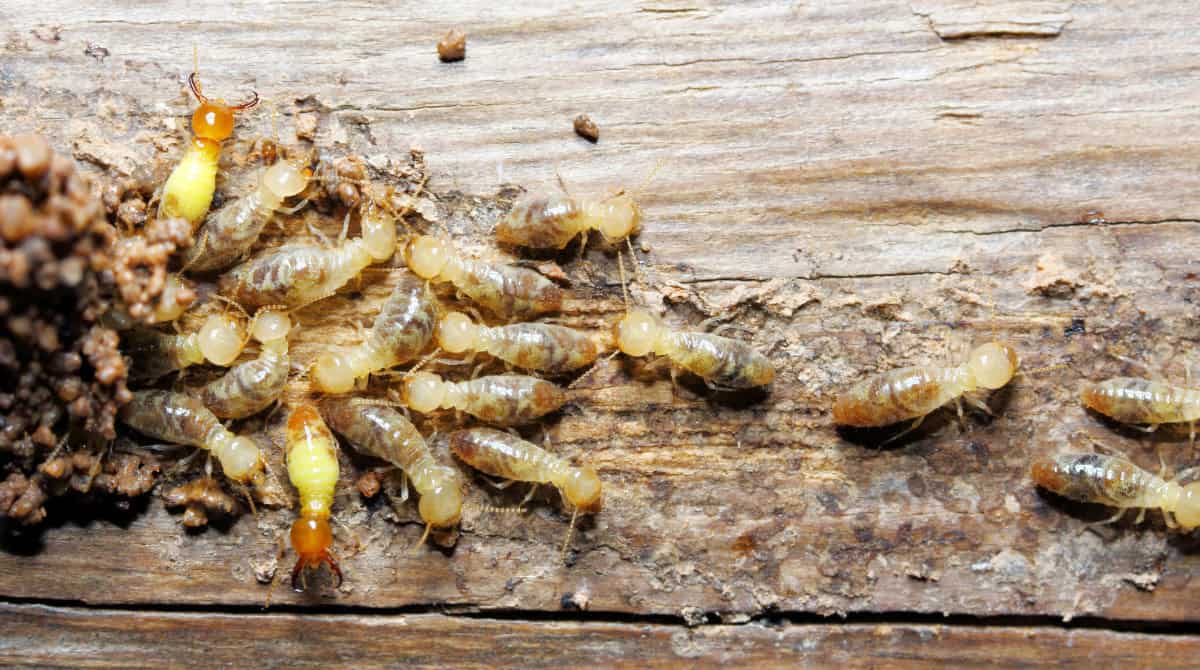
Winter in Florida doesn’t slow down termite activity, especially with all the extra moisture we see this time of year. At Evergreen Lawn & Pest Control, we remind homeowners that cooler weather doesn’t mean the termites take a break. In fact, winter moisture often creates the perfect environment for hidden infestations to grow.”
Key Takeaways
- Termites stay active year-round in Florida, making Evergreen’s Seasonal Termite Protection Plan essential.
- Moisture issues, from leaky pipes to damp soil, make homes far more vulnerable.
- Preventing termite damage starts with controlling moisture and eliminating access points.
- Removing wood debris and firewood piles reduces termite attractants.
- Evergreen’s comprehensive termite inspections help catch hidden issues early.
Florida’s Climate: A Termite Haven
Year-Round Termite Activity Despite Cooler Months
Florida’s mild winters keep termite colonies active, which is why Evergreen continues treating and monitoring homes year-round. Subterranean termites simply move deeper into the soil or toward moisture-rich areas around the foundation, and without professional protection, they can continue feeding unnoticed.
Subterranean Termites Thrive in Warm, Humid Conditions
Subterranean termites really love it warm and damp. Think about Florida – we’ve got plenty of both. The high humidity and frequent rain keep the soil moist, which is exactly what these termites need to build their colonies and tunnels. They can’t survive long if they dry out, so they stick close to these damp areas. This is why you often find them around foundations, leaky pipes, or anywhere moisture tends to hang around. It’s like they’re setting up shop in the most comfortable spots they can find. Homes with moisture problems are definitely more susceptible to termite infestations, creating ideal environments for them to nest and reproduce. At Evergreen, we see it every week, homes with poor drainage, clogged gutters, or AC condensation issues are among the first to develop subterranean termite problems. These pests rely on moisture to stay alive, and Florida’s humidity gives them exactly what they need.
The Impact of Mild Winters on Termite Persistence
So, what does a mild Florida winter really mean for termites? It means they don’t have to shut down operations. While other regions might see termite activity grind to a halt, Florida’s consistent warmth allows them to stay active. They can forage for food and continue to grow their colonies without a major seasonal break. Plus, our homes are often heated, creating even more inviting conditions inside. This persistence means that termite damage can happen at any time of year, not just during the warmer months. It’s a good reminder to stay vigilant and not assume termites disappear when the temperature drops. Keeping your home dry by fixing leaks and ensuring proper drainage away from the foundation is key to preventing these pests from getting comfortable.
| Month | Average High Temp (°F) | Average Low Temp (°F) |
|---|---|---|
| December | 72 | 53 |
| January | 70 | 51 |
| February | 73 | 53 |
Source: NOAA (National Oceanic and Atmospheric Administration) – typical averages for Central Florida.
The Critical Role of Moisture in Termite Infestations
Moisture is the #1 driver of termite activity. Evergreen technicians frequently find early infestations in areas with leaking faucets, heavy landscaping irrigation, or trapped moisture near the foundation. When these areas stay damp through the winter, termites spread quickly.
Subterranean termites, the most common kind here, need moisture to survive. They build those little mud tubes to travel from the soil to your house, and if things are dry, they just can’t make the trip. So, keeping things dry is one of the easiest ways to make your home less attractive to them. It’s a pretty simple concept, really.
Here’s a quick look at what attracts them:
- Damp Soil: Constant moisture against your foundation is a big no-no.
- Leaky Fixtures: Dripping faucets, pipes, or AC units create puddles.
- Poor Drainage: Water pooling around your house instead of flowing away.
Keeping moisture levels low around your home is a proactive step that significantly reduces the risk of termite infestation. It’s about making your property less hospitable and harder for them to access.
We often see homeowners overlook things like a dripping hose bib or a shower that doesn’t seal right. These small issues add up. If you’ve got a crawl space, that’s another prime spot for moisture to build up. Making sure it’s properly sealed and maybe even has a dehumidifier can make a world of difference. It’s not just about termites, either; keeping things dry helps prevent mold and other yucky stuff too. So, tackling these moisture issues is a win-win for your home’s health. You can find more tips on preventing termite invasions by checking out what experts recommend.
Addressing Water Sources That Invite Termites
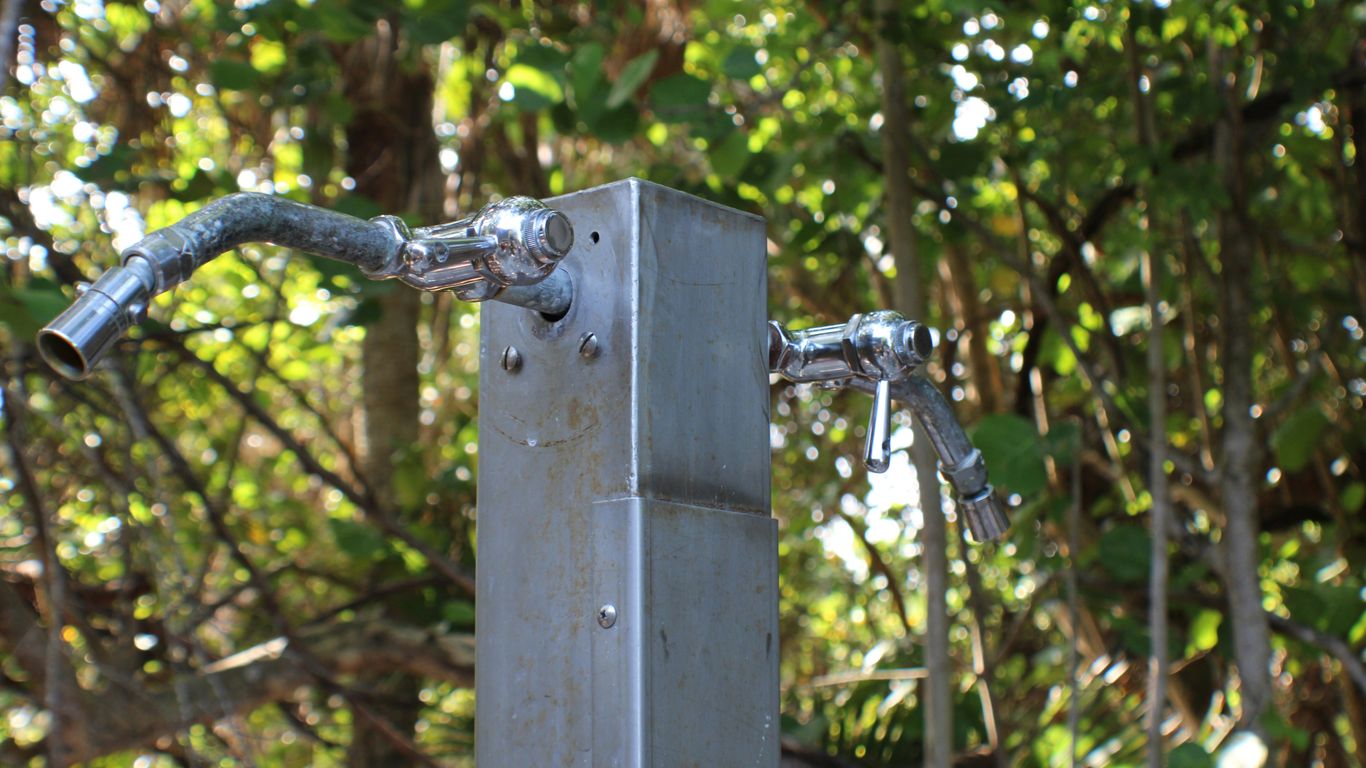
Small leaks create big opportunities for termites. Evergreen recommends checking plumbing, AC lines, and gutters every season, and our technicians can point out areas where moisture is silently collecting around your foundation.
Leaky Pipes and Gutters: Hidden Moisture Traps
Think about all the places water can collect or drip around your home. Leaky pipes under sinks, faulty shower seals, or even a dripping air conditioner condensation line can create a constant source of moisture. And don’t forget about your gutters and downspouts. If they’re clogged or not directing water away from the foundation, you’re basically inviting trouble. Regularly check for any drips, puddles, or damp spots, especially in basements and crawl spaces. Fixing these small leaks might seem minor, but it makes a big difference in preventing termite attraction. It’s a good idea to keep an eye on these areas, as they can become prime real estate for pests looking for a damp place to call home.
Air Conditioner Condensation and Foundation Dampness
That constant drip from your air conditioner unit, especially during our humid Florida summers, can create a persistent puddle right near your foundation. Over time, this can saturate the soil and even seep into the concrete, making the area around your home consistently damp. This is a direct invitation for termites. Similarly, any issues with your home’s foundation that allow water to collect can create a similar problem. Keeping moisture levels low around your home is a proactive step that significantly reduces the risk of termite infestation.
Proper Drainage Around Your Home’s Foundation
This is a big one. The ground around your foundation needs to slope away from the house. If water pools up against the foundation walls, it’s a direct invitation for termites. Make sure your landscaping isn’t holding water near the house. Check that downspouts are extending far enough away from the foundation, and that sprinkler systems aren’t constantly drenching the base of your home. Good drainage helps keep that critical wood-to-soil contact area dry, which is a major hurdle for termites trying to get in. You can learn more about preventing termite invasions.
Here’s a quick checklist for drainage:
- Ensure your yard slopes away from the foundation.
- Extend downspouts at least 5-10 feet from the house.
- Avoid over-watering landscaping near the foundation.
- Check for and repair any cracks in the foundation that might hold water.
Understanding Termite Vulnerabilities in Your Home
So, you’ve got termites. Bummer. But before you panic, let’s talk about why they’re even getting into your place in the first place. It’s not usually random; termites are looking for specific things, and your home might be unintentionally offering them a buffet and a five-star hotel.
Wood-to-Soil Contact: An Easy Termite Pathway
This is a big one, seriously. If any part of your home’s wooden structure is touching the ground, you’re basically leaving the front door wide open for termites. Think about decks, fences, or even the bottom edges of your siding if the soil level is too high. Termites, especially the subterranean kind that love Florida’s damp climate, use the soil as their highway. They build mud tubes from the soil up to the wood, and if that wood is already touching the ground, it’s a super easy commute for them. Ideally, you want at least a six-inch gap between the soil and any exposed wood. This makes it way harder for them to get from the ground onto your house.
- Decks and Patios: Ensure posts are not rotting into the ground.
- Fencing: Keep wooden fence posts treated and away from constant soil moisture.
- Siding and Trim: Check that soil or mulch isn’t piled up against the house.
It’s easy to forget about that little bit of wood touching the dirt, but to a termite, it’s a direct invitation. Regular checks around your foundation are key.
Entry Points and Gaps: Termites’ Access Routes
Termites are tiny. Like, really tiny. They can squeeze through cracks and gaps you wouldn’t even notice. These aren’t just big holes; we’re talking about tiny fissures in the foundation, gaps where pipes or wires enter the house, or even poorly sealed window frames. After a storm or just from the house settling over time, new little openings can appear. These small vulnerabilities are like secret tunnels for termites to get inside and start munching away without you even knowing.
- Cracks in the foundation walls.
- Gaps around utility lines entering the home.
- Damaged or ill-fitting window and door frames.
Crawl Space Moisture: Prime Real Estate for Pests
If your house has a crawl space, you know they can get pretty damp and dark down there. That’s exactly what termites are looking for. It’s like a cozy, humid hideaway for them. Moisture in the crawl space can come from ground water, poor ventilation, or even leaks. This dampness not only makes the wood in your crawl space more appealing but also helps termites survive and build their colonies. Keeping this area dry is super important, not just for termites but for preventing mold and other issues too.
- Ventilation: Make sure crawl space vents are clear and working.
- Vapor Barrier: A good plastic barrier on the ground helps stop moisture from rising.
- Drainage: Check for any standing water or damp spots.
Identifying Signs of Termite Damage
Spotting termites or the damage they cause isn’t always straightforward, but there are definite clues to look for. If you’re not seeing them, they’re usually being pretty sneaky. The key is to know what to look for and where.
Mud Tubes as Indicators of Subterranean Termites
Subterranean termites, the most common type in Florida, build these tunnels to travel between their underground colonies and your home’s food sources. They look like small, dried mud pathways, often found on foundation walls, support piers, or even plumbing pipes. If you find one, try breaking off a small section. If termites are present, they’ll likely repair it within a few days. It’s a pretty good sign they’re still using it as a highway.
Hollow-Sounding Wood and Visible Damage
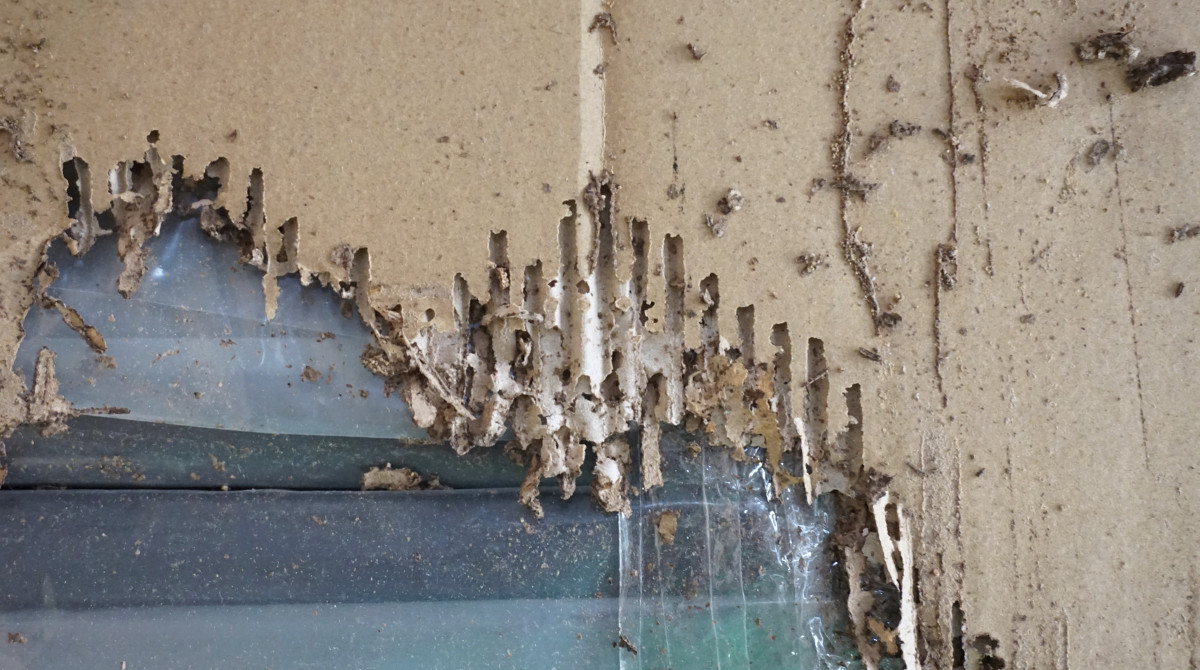
When termites eat wood, they typically tunnel through it, leaving behind a network of galleries. This can make the wood sound hollow when tapped. Sometimes, the damage is visible as crumbling wood, or you might notice faint, winding lines just under the surface of paint or wallpaper. It’s like they’re eating your house from the inside out, and sometimes you can see the evidence if you look closely. Small holes, almost like pinpricks, can also appear in drywall or wood paneling; termites sometimes create these and then seal them up.
Swarming Termites and Discarded Wings
Seeing a lot of winged termites, called swarmers, inside your home is a pretty strong indicator that a colony is nearby, or even established within your structure. These are the reproductive termites looking to start new colonies. You might also find piles of their shed wings, often near windowsills or on floors. This is a clear sign that termites have been active and are reproducing. Different species swarm at different times of the year, so keep an eye out, especially during warmer months. For instance, Eastern Subterranean termites often swarm in the morning from late winter through spring, while Formosan Subterranean termites tend to swarm at night in late spring and early summer, being attracted to lights. Managing outdoor lighting can help reduce this attraction; consider turning off unnecessary lights during peak swarming times or using yellow “bug lights” which are less appealing to insects. Relocating lights further away from entry points is also a good idea.
If you suspect termites, don’t delay. Getting a professional inspection is the best next step. Experts can confirm the infestation, identify the species, and assess the extent of the damage. This information is vital for deciding on the right treatment and prevention plan. They can also advise on things like termite barriers or bait systems to keep your home protected. Schedule a professional inspection if you have any doubts about what you’re seeing.
Preventing Termite Damage Through Moisture Control
Termites, especially the subterranean kind that are so common here in Florida, really do love a damp environment. It’s like a five-star resort for them, offering everything they need to thrive and multiply. So, keeping things dry around your home is honestly one of the simplest, yet most effective, ways to make it less appealing to these wood-destroying pests. Excess moisture creates the perfect conditions for termites to tunnel their way into your house and start causing trouble.
Fixing Leaks to Reduce Termite Attraction
Think about all the places water can collect or drip around your home. Leaky pipes under sinks, faulty shower seals, or even a dripping air conditioner condensation line can create a constant source of moisture. And don’t forget about your gutters and downspouts. If they’re clogged or not directing water away from the foundation, you’re basically inviting trouble. Regularly check for any drips, puddles, or damp spots, especially in basements and crawl spaces. Fixing these small leaks might seem minor, but it makes a big difference in preventing termite attraction. Addressing these issues promptly is key, especially around October in Miami presents a termite threat.
Ensuring Proper Drainage Away From Structures
The ground around your foundation needs to slope away from the house. If water pools up against the foundation walls, it’s a direct invitation for termites. Make sure your landscaping isn’t holding water near the house. Check that downspouts are extending far enough away from the foundation, and that sprinkler systems aren’t constantly drenching the base of your home. Good drainage helps keep that critical wood-to-soil contact area dry, which is a major hurdle for termites trying to get in.
Here’s a quick rundown of what to look out for:
- Redirect Water: Ensure gutters and downspouts direct water away from the foundation to prevent pooling.
- Ventilation: Improve airflow in crawl spaces and attics to reduce humidity levels.
- Clear Debris: Remove wood piles, fallen branches, or stumps from around your property.
Managing Moisture in Crawl Spaces and Basements
Crawl spaces are notorious for being damp, dark, and often overlooked. They’re prime real estate for termites. If you have a crawl space, it’s important to manage the moisture in there. This often involves ensuring there’s a proper vapor barrier installed to keep ground moisture from rising. Sometimes, a dehumidifier might be necessary, especially in humid Florida climates. Keeping this area dry not only deters termites but also helps prevent mold and mildew issues. It’s all about making your home less hospitable to pests and more structurally sound for you.
Keeping moisture levels low around your home is a proactive step that significantly reduces the risk of termite infestation. It’s a fundamental part of making your property less appealing to pests looking for a damp place to call home.
Eliminating Termite Food Sources
Termites, like all living things, need to eat to survive. Their primary diet consists of cellulose, which is found in wood and other plant-based materials. If your home and yard have readily available sources of this food, you’re essentially rolling out the welcome mat for these destructive pests. Removing potential food sources is a fundamental step in making your property less appealing to termites.
The Importance of Removing Rotting Wood
Dead trees, stumps, and any wood that’s starting to rot are prime real estate for termite colonies. They provide both shelter and a constant food supply. It’s a good idea to clear these out from around your property. If you have large stumps, consider having them ground down. For fallen trees or branches, remove them promptly. This also helps prevent other moisture issues that termites love. Keeping up with these maintenance tasks is really about being proactive.
Keeping Firewood Away From Your Home
Many homeowners store firewood near their homes, which is convenient for a cozy fire but incredibly inviting to termites. Firewood is essentially a stack of termite buffet items. If you must store firewood, keep it at least 20 feet away from your house and elevate it off the ground by at least six to eight inches. This separation makes it harder for termites to travel from the wood pile to your home’s structure. Think of it as creating a firebreak, but for bugs.
Understanding Cellulose as a Termite Diet
Termites are attracted to moisture and wood. Any material that combines these elements, especially if it’s in direct contact with your home’s foundation or structure, becomes a high-priority target. Regularly assessing your yard for potential food sources and taking action to remove or relocate them can significantly lower your risk of infestation. It’s about making your property less hospitable and harder for them to access. Consider using eco-friendly pest control services as part of your strategy.
Here are some common attractants to watch out for:
- Dead or decaying trees and stumps: Remove them promptly.
- Firewood piles: Store away from the house and off the ground.
- Wood-based mulch: Keep it at least six inches from the foundation or use alternatives.
- Old lumber or construction debris: Clear it out from around your property.
By being mindful of these common attractants, you can take a proactive stance against termites and protect your home. Small actions, like ensuring mulch isn’t piled too high, can make a big difference in the long run.
Proactive Measures Against Termite Damage
So, you want to keep those pesky termites out of your Florida home? That’s smart thinking, especially with our warm, humid weather. It’s not just about reacting when you see damage; being ahead of the game is where it’s at. Think of it like this: you wouldn’t wait for your car to break down completely before getting an oil change, right? Same idea applies here. A little bit of preventative work now can save you a whole lot of headaches and money down the road.
Sealing Cracks and Entry Points
Termites are tiny, and they can squeeze through some seriously small openings. We’re talking about cracks in your foundation, gaps around pipes where they enter the house, or even tiny spaces where different building materials meet. It’s like leaving a welcome mat out for them. You’ve got to seal these up. It’s not the most glamorous job, but it’s super important. Think of it as patching up holes in a fence to keep unwanted visitors out. This is one of those things that makes your home less appealing to them right from the start.
Implementing Physical Barriers and Defenses
Beyond just sealing cracks, there are other ways to put up a physical defense. One common method involves using termite bait stations. These are strategically placed around your home. They contain a special bait that termites eat and then carry back to their colony. It’s a slow process, but it can effectively wipe out the whole group. It’s important to make sure these stations are accessible to the termites; if they get buried too deep or are damaged, they won’t work as well. Another thing is to keep wood away from the soil. Termites love a direct bridge from the ground to your house. So, keeping mulch, soil, or even firewood piled up against your foundation is a big no-no. You want to maintain a good gap, at least six inches, between any wood structures and the ground. This simple step makes it much harder for them to get a foothold.
Regular Professional Termite Inspections
While you can do a lot yourself, sometimes you just need the pros. Getting a professional termite inspection is a really good idea, especially here in Florida. They have the tools and the know-how to spot things you might miss. They can check areas that are hard to access and identify early signs of trouble. It’s like having a doctor give you a regular check-up; it helps catch problems before they get serious. They can also advise on the best long-term protection strategies for your specific home and situation. Don’t underestimate the value of a professional eye.
Here are some key areas professionals often check:
- Foundation and basement walls
- Crawl spaces and attics
- Wooden elements in contact with soil
- Areas with known moisture issues
- Around plumbing and utility penetrations
Taking these proactive steps is your best bet against termite damage. It’s about making your home a tough nut to crack for these destructive pests. By sealing entry points, using barriers, and getting regular professional check-ups, you’re significantly reducing the risk of a costly infestation. It’s a smart investment in protecting your property.
Common Termite Species in Florida
Florida’s warm and humid climate is a perfect breeding ground for termites, and knowing which types you might encounter is half the battle. While there are many species, a few are particularly common and can cause significant damage if not addressed.
Eastern Subterranean Termites
These are probably the most common type of termite you’ll find across Florida. They live in colonies underground and build mud tubes to travel from the soil to your home’s wooden structures. They need moisture to survive, which is why they’re often found in damp areas or places with poor drainage. They can cause extensive damage by eating away at the wood from the inside out. You might not see them, but you’ll see their work – like those tell-tale mud tubes on your foundation or walls.
Formosan Subterranean Termites
Often considered more aggressive than their Eastern counterparts, Formosan subterranean termites are also a big concern in Florida, especially in the southern parts of the state. They build large colonies and can create aerial nests if they find a consistent moisture source, meaning they don’t always need to be in the ground. Their damage can be rapid and severe. They are known to swarm at night, attracted to lights, which can be a sign of their presence.
Southeastern Drywood Termites
Unlike subterranean termites, these guys don’t need contact with the soil or constant moisture. They nest directly in the dry wood they consume, like attics, window frames, and furniture. You’re more likely to find them along the coast. A key sign of drywood termites is the presence of fecal pellets, often described as looking like tiny grains of sand or sawdust, which they push out of small holes in the wood. They are less common than subterranean termites but can still cause serious structural issues over time.
The Impact of Winter on Termite Activity
Why Termites Remain Active in Florida Winters
Lots of folks think that when the weather gets a bit cooler, termites just pack it in and go dormant. That’s a pretty common idea, but it’s just not how it works, especially here in Florida. Our winters are usually pretty mild, and that means termites don’t really get a break. They’re cold-blooded, sure, but they’re also really good at finding ways to stay active. Think about it – if it’s not freezing outside, and especially if they’re inside a house that’s heated, they’ve got it pretty good. They don’t hibernate like bears; they just slow down a bit or find warmer spots. So, that idea of a winter termite vacation? Nope, not happening.
Subterranean Termites’ Adaptations to Cooler Temperatures
Subterranean termites are the ones we worry about most, and they’ve got some neat tricks up their sleeves for dealing with cooler weather. When the surface gets chilly, they just head deeper underground. Their colonies can be really extensive, going several feet down where the soil stays a more stable temperature. It’s like they have their own underground heating system. Plus, if they’ve got access to a house with a warm foundation or crawl space, they’ll happily stay there, munching away. They’re not picky about the season when they have a reliable food source and a cozy spot.
The Role of Heated Homes in Sustaining Termite Activity
This is a big one. Our homes are basically termite buffets all year round. Even when it’s cool outside, a house that’s being heated creates a perfect little microclimate for termites. They don’t need much warmth, just enough to keep their bodies functioning and their digestive systems working. So, a house that’s kept at a comfortable temperature is essentially an invitation for termites to keep building their colonies and eating your house. It’s why you can’t just assume you’re safe from termites just because it’s winter. You’ve got to be proactive, especially with moisture control, because that’s what really keeps them going, no matter the season.
Even though it’s cold outside, termites might still be active. They often look for warmer spots to hang out, like inside your home. Don’t let these pests cause damage during the winter months. Visit our website to learn more about how we can help keep your home safe year-round.
Winter Doesn’t Stop Termites — And It Can Make Them Worse
Florida’s cool, moist winter conditions create ideal environments for termites to feed and spread. Winter is actually one of the best times for a professional inspection, as early detection can prevent costly structural damage.
Schedule your winter termite inspection with Evergreen Lawn & Pest Control today.